Elevate Your Space with Red, Black, and White Art
Intro
The world of interior design is ever-evolving, woven intricately with colors, textures, and varying styles. At the forefront of contemporary aesthetics lies a captivating trio: red, black, and white wall art. This engaging mix not only dresses up a space but also reflects deeper emotions and psychological influences. It's a palette that speaks volumes without uttering a word, transforming bare walls into portals of expression.
This article digs beneath the surface of these colors, unpacking their significance in design. We'll explore how red ignites passion, black brings depth, and white imparts clarity. In each section, we will unravel the harmonious dance these colors perform together, creating a balanced atmosphere suited for any home.
As we dive deeper, homeowners, designers, and DIY enthusiasts will discover insights on effective integration strategies, connection with furniture trends, and advocated practices for maintaining artistic flair. This narrative goes beyond mere aesthetics; it encapsulates the essence of creating an inviting space that showcases personalized style.
Get ready to step into this vibrant journey where the exploration of red, black, and white wall art can elevate your home decor to adventurous new heights!
Furniture Trends and Styles
When considering wall art for your home, it’s crucial to think about the furniture trends and styles that will coexist with your chosen pieces. Art does not live in isolation; it is a part of a greater design narrative. Below, we’ll break down what’s currently trending in the world of furniture and how it interlaces with your wall art choices.
Current Trends in Furniture Design
Contemporary furniture design plays a significant role in setting the stage for wall art. Take a look at the following current trends:
- Minimalism: Clean lines and open spaces highlight wall art without overwhelming it. This style pairs wonderfully with bold colors like red to draw the eye with striking contrast.
- Eclectic Mix: Combining vintage finds with modern pieces creates an inviting vibe. Red, black, and white wall art can serve as the unifying element in such spaces.
- Sustainable Materials: Furniture made from reclaimed wood or eco-friendly materials is not just fashionable; it tells a story that resonates with wall art reflecting history.
Popular Furniture Styles and Their Characteristics
Each furniture style brings unique elements that complement various wall art motifs. Consider these:
- Industrial Style: Think exposed bricks and metal fixtures. Here, art with darker tones, particularly black, integrates seamlessly.
- Scandinavian Design: Characterized by simplicity and functionality, this style welcomes white art pieces to create brightness in larger susbtances.
- Art Deco: Luxe fabrics and geometric patterns face off nicely with wall art featuring bold colors. The interplay between red and black can be exceptionally striking.
As you begin to explore different furniture styles, keep in mind how red, black, and white wall art can accentuate these designs, forging a cohesive visual narrative within your living spaces.
Buying and Maintenance Guides
Navigating the realm of wall art can be daunting, especially amidst the vast choices available. The following are essential considerations that can help guide your purchasing and care for wall art.
Essential Tips for Purchasing Wall Art
- Understand Your Space: Measure wall dimensions and consider furniture layout before making a decision. This allows you to select pieces that balance proportionately.
- Choose What Resonates: Look for art that reflects your personal style and emotion. Whether it’s a vivid red canvas or a minimalistic black and white print, it should feel right to you.
- Quality Matters: Invest in art that’s well-crafted, as this adds to the longevity and aesthetic of your space.
Maintenance and Care for Different Wall Art Materials
Different materials require distinct care approaches.
- Canvas: Use a soft, dry cloth for dusting. Avoid exposure to direct sunlight to prevent fading.
- Framed Pieces: Regularly check the backing and ensure frames are secure. Wipe down with a damp cloth.
- Metal: Clean gently with a metal cleaner, particularly for intricate designs that might trap dust and grime.
Investing time in wall art — understanding its personality and maintaining it well — will ultimately pay off in the aesthetic payoff within your home.
Art has the power to breathe life into spaces, and red, black, and white offer a profound emotional palette. Choose wisely and may your walls echo your heart’s desires!
Understanding Color Psychology
In the realm of interior design, understanding color psychology is paramount. This field explores how colors influence emotions, perceptions, and behaviors. When it comes to decorating a home, the colors chosen for wall art are not just about aesthetics; they play a crucial role in setting the mood and ambiance of a space. For instance, the trio of red, black, and white encompasses a spectrum of feelings and associations that can evoke powerful or calming responses.
The Impact of Red in Art
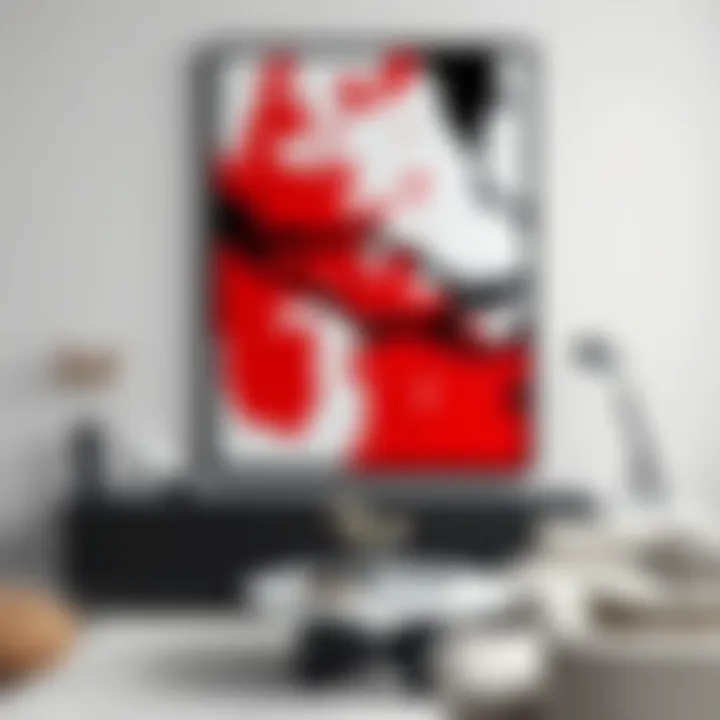
Red is a color that demands attention. Often associated with passion, energy, and excitement, it can transform a dull room into a vibrant space. Using red wall art can ignite feelings of enthusiasm or warmth; however, it can also evoke aggression if overused. Consider a red abstract painting as a statement piece in a neutral room. This could stir a sense of liveliness without overwhelming the overall design. This vivid hue often stimulates appetite and conversation, making it a perfect choice for dining areas or social spaces.
Associations of Black in Decor
Much like a sophisticated suit, black brings a certain elegance and depth to any decor. Black in wall art can anchor a room, offering a foundation that contrasts beautifully with lighter shades. It symbolizes power, luxury, and sophistication, but it can also signify mystery. Using black art can create an intriguing focal point or a calm atmosphere. A simple black and white geometric print can serve as a dramatic centerpiece, adding visual weight without cluttering the space.
Symbolism of White in Space
White, often dubbed the color of purity and simplicity, has a unique ability to create a sense of expansive openness. When used in wall art, it can bring about feelings of peace and clarity. White serves as a backdrop that allows other colors to shine while enhancing natural light. A white canvas filled with robust, colorful strokes can uplift the room’s mood and invite creativity. It’s the blank slate that offers endless possibilities, perfect for any room looking to achieve a fresh and airy vibe, or even a minimalist aesthetic.
"Colors are the smile of nature." - Unknown
Incorporating these colors into wall art requires careful thought and balance. When combined thoughtfully, red, black, and white can create dynamic and engaging spaces that are pleasing to the eye and evoke desired emotions. Understanding the psychology behind each color can significantly influence how one selects artwork and arranges it within their living or working environment.
The Aesthetic of Red, Black, and White Combinations
The aesthetic appeal of red, black, and white combinations is profound, weaving a tapestry of emotion, energy, and sophistication. When these colors are interspersed, they don’t just sit on the walls; they breathe life into the space. Each hue carries its own weight in terms of psychological impact, and when conjoined, their interactions can evoke a multitude of feelings and perceptions. It’s all about striking that right balance, capturing the essence of the artwork while anchoring it firmly in contemporary design.
Contrasts and Harmonies
The interplay between the vibrant red, deep black, and pristine white is akin to a symphony where each color plays its unique note. The contrast stands out. Red grabs attention; it’s bold and passionate, shouting from the walls if need be. Conversely, black brings a depth of sophistication, grounding the high energy of red and creating sophisticated backdrops or accents. White, on the other hand, acts like a blank canvas, providing breathing room and a sense of freshness.
When you consider this triad, think about how these contrasts can create harmony in your design. For instance, a striking red artwork framed in sleek black can serve as a stunning focal point. Likewise, white can frame or backdrop these colors beautifully, allowing them to shine without overwhelming the senses.
- Balance is key: Using more white can expand a small space, while integrating more black can make a room feel cozy and grounded.
- Layering textures: This also plays a role; think of a glossy black frame against a matte red canvas. The visual texture can enhance the overall aesthetic.
Visual Balance in Design
Visual balance is crucial in achieving a well-rounded aesthetic, especially when dealing with such powerful colors. Imagine walking into a room filled with red wall art; it can feel raucous without a balancing counterpart. Integrating black and white art in the same space not only soothes this potentially overwhelming presence but can also invite a feeling of completeness.
Consider the rule of thirds when arranging your wall decor. Placing artwork thoughtfully can help in maintaining that balance. For instance:
- Dominate with One Color: You may choose primarily red as the statement color then balance it with minimalistic black and white accents.
- Mix It Up: Maybe a series of pieces alternating colors can effectively lead the eye across the wall, creating intrigue.
- Frame it Right: Framing styles can also dictate balance. Oversized black frames can pull focus just as effectively as smaller white ones.
As you layer these elements, consider how each interacts seamlessly to form a whole picture, enhancing the beauty and depth of your decor cohesively.
Creating Focal Points with Color
Focal points in a room guide the eyes and affect the overall flow of the space. When employing red, black, and white, the challenge lies in making these colors work towards a common purpose. A piece of red artwork can act as a mesmerizing focal point, particularly when hung against a contrasting backdrop of black or white.
Two strategies can be particularly effective:
- Centerpiece Art: An oversized red painting can pull the room together. It draws the eye immediately, and surrounding it with smaller black and white art can create a layered effect. It’s like a cherry on top of a sundae—you're immediately drawn there.
- Accent Walls: A wall painted in a bold red can serve as a backdrop to black and white pieces. This approach not only defines the space but highlights the decorations on display.
In sum, creating effective focal points with your color choices can transform a bland wall into engaging visual narratives, effectively leading visitors through the artistic experience of your home. Each brushstroke or design element can contribute to the overall story, emphasizing the synergy in this powerful trio of colors.
Trends in Red, Black, and White Wall Art
In the realm of interior design, the trending palettes of red, black, and white have carved out a distinctive niche. This sophisticated trio is not just about aesthetics; it resonates deeply with emotional undertones and cultural significance. Wall art using these colors brings a dynamic edge to any room. Whether you are sprucing up your living room or jazzing up a quaint café, understanding these trends is essential for making a lasting impression.
The importance here lies in how these colors interact with light, space, and human psychology. Red evokes strong feelings, while black adds depth and sophistication, and white imparts clarity and space. Together, they create artwork that not only decorates a wall but also tells a story, sets a mood, or sparks a conversation. Integrating these colors effectively into your decor can create visual harmony and amplify the unique character of your space.
Geometric Patterns and Abstract Forms
Geometric patterns bring a modern flair that aligns well with the red, black, and white theme. Consider pieces where sharp lines and bold shapes are combined, making strong visual statements. For example, an abstract painting featuring overlapping circles in red against a black backdrop can provide an arresting focal point while complementing minimalist interiors.
Many homeowners now seek art that resonates with a sense of orderly chaos, blending different textures and forms. This trend is not merely about choosing shapes; it's about how those shapes interact with the rest of the room than can lead to a balanced ambiance.
"Wall art should not just fill a space; it should breathe life into it."
Nature-Inspired Designs
Contrasting the sharpness of geometric forms, nature-inspired designs in red, black, and white offer a refreshing alternative. Imagine a swirling abstract piece that interprets the forms of trees silhouetted against a crimson sunset. This trend allows for the organic aspects of design, bridging elements of the outside world with the structured feel of your living space.
The benefits are ample; nature motifs tend to evoke calmness while still providing vibrant energy, making them versatile across various environments. They can soften a stark setting or enhance warm areas with a touch of energy. These designs often come alive in combinations of textures that evoke tactile engagement, making the viewer feel as if they can almost step into the scene.
Typographic Art and Quotes
Another rising trend that holds sway is typographic art. This genre breathes life into spaces through motivational quotes or thought-provoking phrases printed in striking fonts. Utilizing the red, black, and white palette, you can create a strong impact that encourages positivity or sparks curiosity. A bold black and white piece featuring an inspiring quote, surrounded by a red frame, can serve as not just decoration, but also as a daily reminder of your aspirations.
The placement of such typographic art should be strategic; think about high-traffic areas where you want to capture attention—like the hallway or above a cozy reading nook. This integration not only unifies the elements within a room but also cultivates a sense of identity through art.
For further insights on color psychology and design trends, check out resources from American Society of Interior Designers and Color Matters.
Integrating Red, Black, and White Art into Your Space
The inclusion of red, black, and white art in one's interior design isn’t merely a matter of aesthetics; it serves as a crucial element in establishing a specific ambiance. In today’s world, where personal style items blend functionality and artistry, understanding how to effectively integrate these colors allows for a more curated and impactful living space. Each color brings its unique characteristics to the table. When combined, they can offer a striking visual narrative that speaks volumes about the homeowner’s personality and taste.
Choosing the Right Size and Scale
When it comes to choosing size and scale for wall art, it’s imperative to consider the dimensions of your space. A tiny piece on a vast wall can easily become lost, while an oversized painting can overshadow the rest of the decor. Measure your wall and assess its proportions before making any purchases. A good rule of thumb is to aim for about 60% to 75% of the total wall space with the art you choose.
- Large pieces often act as statements, drawing the eye immediately. Think about a massive black canvas with splashes of red – it would not only define the space but also become a conversation starter.
- Smaller pieces can be arranged in a gallery wall format. When placing art in this way, mixing sizes can add depth and complexity. Try placing a few smaller frames filled with white typography art alongside a larger abstract piece.
Scaling consideration also matters during grouping or spacing. If choosing multiple pieces, consider how far apart to space them. Too close tends to feel cluttered, while too much space can seem disjointed. Aim for around 2 to 3 inches apart for a cohesive look.
Placement Strategies for Maximum Impact
Placement is critical when integrating art, as it can significantly alter perceptions of space. Simply tacking a piece up without thought can add clutter instead of elegance. Here are a few strategies to enhance your decor:
- Eye Level: Generally, hanging art around 57 to 60 inches from the floor aligns it with the average person's line of sight. This standard creates a welcoming interaction with the viewer.
- Focal Points: Identify the areas in your rooms that you want to highlight, such as above a fireplace, a sofa, or an entryway. Art pieces in these spots draw attention, creating visual anchors in the room.
- Lighting Techniques: Consider how light interacts with your pieces. Art can be enhanced with wall-mounted lights or spotlights. These can help glossy surfaces shine or soften shadows in textured artworks, all adding depth to the presentation.
"Effective placement of wall art can transform even the blandest areas into dynamic focal points."
Combining Art with Other Decor Elements
Complementing red, black, and white art with other decor elements is essential for a balanced look. Think beyond the art itself and consider how furniture, textiles, and colors interact:
- Textiles: Incorporate fabrics like cushions or throws that juxtapose or match the art’s features. For instance, use a solid red throw on a black leather sofa that also shares tones present in the artwork. This connection can unify the room.
- Furniture: Black furniture can create a seamless backdrop that enhances red and white art pieces. For instance, a black coffee table paired with a bold red painting can give a sleek, modern feel.
- Accent Colors: Don’t shy away from incorporating pops of color that might link your pieces together—perhaps a green plant, golden accents or a turquoise vase. These element can add life while echoing the vibrancy found in your wall art.
Ultimately, integrating red, black, and white art into your space is about creating an environment that feels genuine to you. By carefully considering size, placement, and interaction with other elements, you enhance both the aesthetic and narrative of your home.
DIY Ideas for Red, Black, and White Art
Creating wall art doesn’t have to be a chore or a pricey affair. With the right DIY ideas, you can easily bring vibrant red, cool black, and pristine white tones to life in your home decor. These colors, when combined, can generate striking contrasts that captivate the viewer’s eye while also highlighting personal creativity. By engaging in DIY projects, individuals not only embrace customization but also build a deeper connection to their space.
Creating Simple Canvas Art
One of the most approachable methods for crafting your own wall art is painting on canvas. This area lets your imagination roam free, and it's surprisingly forgiving for those who aren't seasoned painters. Start by gathering materials like canvas, acrylic paints, and brushes. Red, black, and white paints suffice for a classic look.
Here’s a simple approach:
- Choose an Abstract Theme: Abstract designs work well as they can be spontaneous. Think about splatters or geometric shapes.
- Layer Colors: Begin with a base coat of white or black and then add red to create depth. Play with brush sizes and techniques – dab, flick, or swirl!
- Let It Dry: Always allow your canvas to dry before adding another layer. It keeps colors vibrant and prevents muddiness.
The beauty of creating your own canvas art lies in the freedom to experiment. Each piece becomes unique, mirroring individual tastes and mood.
Framing Techniques and Tips
Once your art is ready, framing it properly elevates the overall appearance significantly. A good frame enhances the art while adding a polished finish. Here are some techniques and tips for framing your red, black, and white pieces:
- Choose Minimalistic Frames: A simple black frame may work well to enclose a vibrant red piece, allowing the art to speak for itself.
- Mixing Frame Styles: Use varied frames for a gallery wall that creates visual interest while maintaining a cohesive look. Combining sleek with ornate, for instance, adds character.
- Consider Matting: A white mat can draw attention to a colorful canvas, making colors pop while adding a touch of class.
When framing art, think outside the box. Sometimes unconventional approaches yield the most interesting displays.
Incorporating Found Objects
Using found objects in your artwork can add texture and personal significance. This method connects your decor to experiences or travels. Collect items like magazine clippings, old photographs, or natural items from a park.
Here's how to go about it:
- Create a Mixed Media Piece: Use a combination of painting, collage, and materials such as wood or fabric. For instance, paint a backdrop with red and white then layer magazine images in black.
- Incorporate 3D Elements: Consider adding items like driftwood, metal scraps, or fabric strips to create depth.
- Unify with Color: Even when using diverse elements, keeping a red, black, and white theme ensures that the work feels cohesive.
Evolving your wall art to include personal found items makes a statement and transforms your decor into a true reflection of yourself.
These DIY creations not only serve as decor but also as conversation starters, allowing guests to delve into stories behind each piece.
With a bit of creativity and resourcefulness, anyone can bring bespoke art into their home. Remember, it’s not about perfection; it’s about expression.
Maintenance and Care for Wall Art
Maintaining and caring for wall art is not just an afterthought; it is vital to preserving the aesthetic appeal and longevity of your treasured pieces. The trio of red, black, and white wall art can significantly enhance an interior space, but without proper care, their impact may fade, literally and figuratively. Regular maintenance ensures that these colors remain vibrant and that the artwork continues to tell the story you intend.
Key benefits of maintaining wall art include preservation of value, enhancement of visual appeal, and safeguarding the emotional and aesthetic aspects that art embodies in your home. Here, we break down the specifics for different mediums, protecting your investment, and safe storage methods.
Cleaning Techniques for Different Mediums
Artworks vary widely in materials, from canvas to paper, and each requires a specific cleaning approach. Understanding the right technique can prevent damage while keeping your art looking fresh.
- Canvas Art: For this type, it is best to use a gentle vacuum with a brush attachment to remove dust without harming the paint. If necessary, use a soft, damp cloth for spots, ensuring no excess moisture is applied.
- Framed Prints: For works under glass, a simple glass cleaner and microfiber cloth can do wonders. Avoid any abrasive materials that can scratch the surface. Regular dusting with a soft cloth can prevent buildup.
- Sculptures: For three-dimensional pieces, sweep them lightly with a brush to clear dust. In cases of stubborn grime, a damp cloth typically suffices, but make sure to dry them off completely to avoid water damage.
These tailored cleaning techniques ensure that every piece shines in its own right, keeping the integrity of colors intact.
Protecting Art from Fading and Damage
Art is susceptible to fading and damage from a variety of environmental factors. Here are some tips to protect your red, black, and white masterpieces:
- Light Exposure: Direct sunlight can be a major culprit in fading colors. Use UV-filtering glass or acrylic for framed pieces and keep sensitive artwork out of high sunlight areas.
- Moisture Control: High humidity can lead to mildew, particularly on paper or canvas artworks. A dehumidifier can help in damp spaces, ensuring your art stays dry and in good shape.
- Temperature Fluctuations: Extreme changes in temperature can cause warping or cracking, especially in wooden frames. Keeping your home at a stable temperature not only benefits the artwork but also enhances comfort for those living with it.
By taking these precautions, you ensure that your art retains its original vibrancy and elegance, making it a lasting feature in your home.
Storing Art Safely
If you ever find yourself needing to store your wall art—perhaps during a move or renovation—doing it correctly is crucial. Here are some guidelines:
- Choose the Right Environment: Ideally, art should be in a climate-controlled space. Avoid garages or attics where temperature and humidity levels fluctuate.
- Proper Wrapping: Use acid-free tissue paper or bubble wrap for wrapping delicate pieces. Avoid using plastic as it can trap moisture.
- Store Flat or Upright: Depending on the piece, storing it flat between sheets of cardboard or standing it upright in a secure housing can prevent damage. Make sure that nothing is resting on it, which could cause indentations or scratches.
Following these storage methods can extend the life of your red, black, and white wall art, allowing you to bring it out fresh and ready when the time comes.
“Art is not just to be seen; it's meant to be experienced. Treating it with care ensures that experience lasts.”
With mindful maintenance, your wall art can continue to inspire and uplift your home for years to come.
Investing in High-Quality Art
Art has the uncanny ability to transform a space, serving not just as decoration but as a means of personal expression. When one talks about wall art, it’s imperative to emphasize the significance of investing in high-quality pieces. Low-cost reproductions or mass-produced items may seem like an appealing option for the budget-conscious, but these often lack the essence that authentic art carries. Investing in quality art is about recognizing the thoughtful craftsmanship, the story behind each piece, and the emotional response it evokes.
High-quality art can bring lasting benefits to your home and your well-being. For homeowners, it’s more than just a financial transaction; it's a connection to the creator, a piece of their soul. The hues of red can evoke passion, black can project sophistication, and white often brings a sense of peace. Owning a well-crafted piece can elevate your living space, making it feel uniquely yours.
When considering an investment in art, understanding the context and value becomes paramount. You’re not merely purchasing a visual; you are acquiring a conversation starter, a piece of culture. Let's dissect this further into various aspects.
Understanding Different Art Forms
When it comes to art, variety is not just the spice of life; it's what makes each collection unique. From traditional paintings to contemporary installations, the choices are endless. Recognizing the different art forms can guide your investment decisions.
- Paintings: Watercolor, oil, acrylic—each medium has its own characteristics. For example, oil paintings often have a depth and richness that can be hard to reproduce.
- Prints and Lithographs: While they can be more affordable, ensure they are limited editions or from renowned artists to retain value.
- Sculptures: These can vary widely, from small pieces to large installations, and often make bold statements.
- Photography: Unique photographs, especially those from emerging artists, can be captivating and often blend well with red, black, and white themes.
Understanding the nuances between these forms not only enriches your art collection but also enhances your appreciation for what you possess.
Recognizing Authenticity and Value
Art can be a minefield filled with forgeries and mispriced items. Knowing how to recognize authenticity is crucial when investing. Here are some pointers to keep in mind:
- Provenance: Always check the history of the piece. Documentation that proves its origins bolsters its value.
- Artist Reputation: Established artists often command higher prices due to their popularity and skill. Emerging artists can be a gamble but may offer a significant upside.
- Quality of Materials: Inspect the medium used. Quality materials may last longer, retaining value over time. Look for signs of quality in every aspect—from the type of canvas to the pigment authenticity.
Investing without knowledge is like sailing in uncharted waters. By being informed, you ensure that your investment won’t sink.
Where to Purchase Quality Art
Finding the right place to buy art is as essential as the art itself. There are numerous avenues where one can find quality pieces:
- Galleries: Local galleries often showcase regional artists whose work may resonate more with you. The personal touch can lead to discovering hidden gems.
- Art Fairs: These events often feature a curated selection of works from various artists and can provide direct access to the creators.
- Online Platforms: Websites like Artsy, Saatchi Art, or even Auction Houses like Sotheby’s provide a wealth of options for potential buyers.
- Recommendations: Don't shy away from asking friends or family about their favorite pieces; often, personal recommendations can lead you to the best finds.
Finally, remember that your relationship with art is personal. Choose pieces that resonate and reflect your style, and the rewards will exceed mere monetary value.
Final Thoughts on Wall Art Choices
Choosing the right wall art is not merely about filling empty spaces; it's a reflection of one's personality, values, and style. In the realm of red, black, and white wall art, the choices are ample and the possibilities endless. This trio serves as a foundation for creating a harmonious home environment that resonates well with the occupants.
Art has a unique power. It can evoke emotions, inspire conversations, and define the atmosphere of a room. With the strategic use of red, black, and white, one can craft an environment that feels both sophisticated and welcoming. Each color carries its own significance: red brings energy and passion, black provides depth and elegance, while white offers a blank canvas for creativity.
Developing a Personal Style
When it comes to wall art, personal style is paramount. Understanding what resonates with you can help in making informed decisions. Consider the narratives you want to express through your art choices. Are you drawn towards modern abstract pieces, or do you favor classic landscapes? Below are some ways to hone in on your personal style:
- Explore Art Communities: Visiting local galleries or engaging with online forums can be enlightening. Platforms like Reddit can provide insights into trends, styles, and an array of artistic expressions.
- Keep a Visual Diary: This is a great way to gather inspiration. Collect images, sketches, or similar artworks that resonate with you. Over time, patterns in your preferences will reveal your aesthetic.
- Experiment: Don’t shy away from trying different styles before committing to a particular piece. It can be beneficial to test how certain artworks look in your space before making a final decision.
By piecing together what you love, it's possible to curate a collection that truly reflects your individuality and creates a cohesive look within your home.
Balancing Trends with Timelessness
Navigating the fine line between trends and timelessness is critical when selecting wall art. Trends, while exciting, often fade with time, while timeless pieces stand the test of years. Here are a few tips for maintaining that balance:
- Select Core Pieces Wisely: Invest in foundational artworks that won’t go out of style, such as classic black and white photography or elegant geometric designs.
- Incorporate Seasonal Changes: You can rotate certain artworks or accent pieces throughout the year to stay in tune with current trends, without overhauling your entire collection.
- Focus on Quality: Quality pieces, whether framed or unframed, inherently carry value. This helps in enhancing the longevity of your collection, ensuring it remains stylish for years.
This balanced approach ensures that your decor remains fresh while still feeling like home.
Evolving Your Art Collection Over Time
Art collections are not stagnant; they evolve. As tastes and preferences change, so too can your wall art. Here’s how to cultivate a flexible art collection:
- Regular Reviews: Occasionally reassess your collection. What once felt right may no longer resonate. Don't hesitate to swap out pieces as your taste matures.
- Attend Art Shows: Regularly immerse yourself in the local art scene. Artists, through their newest works, can rejuvenate your ideas and inspire new directions for your own collection.
- Document Your Collection's Journey: Take notes about the art pieces you acquire, their significance, and how they fit into your story. This documentation can be a great reflective tool and can help you see the evolution of your tastes over time.
"Art is not what you see, but what you make others see." – Edgar Degas
By making thoughtful choices about your wall art, you can create a home that not only looks good but also tells a story. This narrative ultimately plays a crucial role in contributing to the overall ambiance, making spaces more than just walls; they become reflections of living experiences.