Exploring the Global Market for Macrame Wall Hangings
Intro
The world of home decor is in a constant state of flux, with trends chasing one another like leaves in the wind. Among the myriad of artistic expressions that have emerged, macrame wall hangings have carved a niche that resonates with both contemporary aesthetics and nostalgia. This craft, rooted deep in history, is blossoming anew in modern homes, and thus it’s crucial to unravel its evolving presence in the market.
As we dive into this exploration of macrame wall hangings, we will highlight their cultural significance, the creative variations born from diverse influences, and the intricate dance of market dynamics that drive their popularity today. From trendy cafes to cozy living rooms, these woven pieces are sprucing up spaces with a touch of texture and artistry. In this journey, we aim to clarify the allure of macrame and how it fits into the broader context of interior design, consumer behavior, and stylistic preferences across the globe.
Through our discussions on current trends, the characteristics of different styles, and hands-on tips for both buying and maintaining these unique decor items, readers will gain insights to appreciate macrame wall hangings fully. By the time we reach the end of this article, you'll not only have an understanding of the market landscape but also the practical knowledge to select and style these pieces within your own spaces.
Prelims to Macrame Wall Hangings
The world of macrame wall hangings is not just a trend; it's a confluence of artistry, culture, and contemporary design. Understanding this facet of home decor is vital for anyone looking to create an inviting atmosphere in their space. Not only do these artistic pieces add a touch of bohemian charm, but they also serve as vital conversation starters that reflect personal style.
Historical Context of Macrame
The origins of macrame stretch back to ancient times. The term is believed to come from the Arabic word "migramah," which refers to the fringes or decorative knots on fabric. The craft found its way into Europe during the 13th century, particularly flourishing in the hands of sailors who used it to create decorative items from the rope they worked with daily. This technique broadened over the centuries, with various cultures adding their own flavors. For instance, in Victorian England, macrame became a fashionable pastime among the upper classes, leading to intricate designs that adorned homes and gardens.
As we move into modern times, macrame has traversed through different art movements and design philosophies, creating an eclectic historical tapestry that appeals to both traditionalists and modern enthusiasts alike.
The Resurgence of Macrame in Home Decor
Fast forward to the present, and macrame has staged a robust comeback in the realm of home decor. This isn't just a fleeting phase; there’s a palpable shift towards artisanal and handmade items as consumers seek authenticity and character. The rise of social media platforms like Instagram and Pinterest has played a significant role in showcasing creative ideas, sparking inspiration for homeowners and designers alike.
Homeowners looking to integrate macrame into their decor would do well to note its versatile nature. From minimalist apartments in urban settings to rustic country homes, macrame wall hangings can be adapted to any environment or aesthetic. This makes them a reliable choice for those wanting to liven up blank walls or create defined spaces within more open living areas.
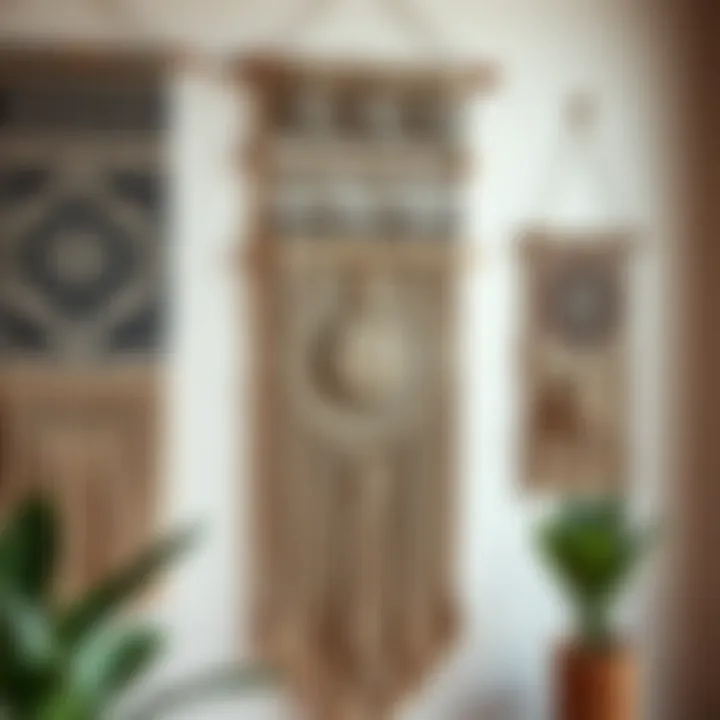
Moreover, the tactile quality of macrame means it can introduce a unique texture to a room that paint or wallpaper simply cannot. Pairing macrame wall hangings with other decor elements like plants, wooden fixtures, or even metal accents can yield quite a striking visual appeal.
Cultural Significance of Macrame
Macrame's cultural significance cannot be understated; it's not merely a craft but a form of expression intertwined with heritage and community. This intricate weaving technique, steeped in history, tells stories that span across various cultures and times. In this section, we delve into the tapestry of macrame's influence around the globe, shedding light on its rich traditions, symbolism, and its role in contemporary society.
Macrame Across Different Cultures
Historically, macrame is often linked to seafaring traditions, particularly among sailors who created decorative items during their long voyages. From the Mediterranean to the Pacific, many cultures adopted macrame, infusing their unique styles and techniques into the art. For example, in Morocco, intricate knots are employed to fashion stunning wall hangings that symbolize hospitality and protection. Similarly, in Latin American cultures, macrame has been blended with indigenous practices, producing vibrant decor items that reflect personal stories and cultural identity.
- Islamic Influence: Arabic weaving techniques contributed to macrame styles that emphasize symmetry and geometric design, showcasing the culture’s reverence for mathematics and artistry.
- Japanese Connection: The Japanese have their variation called Kumihimo, which involves braiding strands together to form beautiful patterns, much like macrame, but with distinct thematic undertones like nature and seasons.
Each region showcases its unique flair, yet the core of macrame remains the same—the ability to connect individuals with their roots and the environments surrounding them.
Symbolism and Meaning in Macrame
Beyond aesthetics, macrame carries a wealth of symbolism that resonates deeply with different communities. Knots in macrame often symbolize bonds—between families, friends, or communities. The process of knotting itself can be seen as a metaphor for life's challenges, where each knot represents a lesson learned or an obstacle overcome.
In many cultures, specific knots have their unique meanings:
- Lark's Head Knot: Often signifies a new beginning, commonly used at the start of a project to represent hope and potential.
- Square Knot: This is akin to a promise, emphasizing the importance of commitment in relationships.
There’s also an emerging connection between macrame and sustainability. As artisans and consumers turn their focus toward eco-friendly practices, they are beginning to incorporate natural fibers and dyes, thus giving new meaning to traditional techniques by aligning them with modern environmental ethics.
"Macrame serves not only as decor but as a reminder of our roots and the bonds we share. It transforms spaces while connecting us to our heritage."
For those seeking to delve more into the cultural aspects of macrame or explore these dimensions further, reference materials can be found at Wikipedia or Britannica.
Design Variations of Macrame Wall Hangings
Exploring the design variations of macrame wall hangings is crucial in understanding how these creative arrangements enhance interior aesthetics. This section highlights the significance of choosing the right style, color, and patterns, ultimately guiding homeowners, designers, and decorators in their selections. The beauty of macrame lies not just in its handmade quality but in the diversity and depth it brings to any living space. Different designs cater to various tastes, making it essential for individuals looking to enrich their homes.
Traditional vs. Contemporary Styles
When it comes to macrame wall hangings, the divide between traditional and contemporary styles often sparks engaging discussions among enthusiasts.
Traditional styles embody the time-honored techniques that have been passed down through generations. These designs typically feature intricate knotting patterns, emphasizing symmetry and craftsmanship. For instance, large, flowing pieces with fringes reflect the vintage charm that many homeowners seek. They evoke nostalgia and create a warm ambiance, perfect for cozy spaces.

On the other hand, contemporary styles take a more minimalist approach. Stripping down complexity, these designs often involve bold geometric shapes, cleaner lines, and an overall sleek appearance. They cater to modern sensibilities, allowing them to seamlessly blend into minimalist decors or even serve as statement pieces in eclectic interiors. The shift towards contemporary aesthetics often resonates with younger generations who appreciate modern art forms.
A worthwhile consideration for designers and decorators is the environment in which the macrame hangs. Traditional styles may shine in rustic settings, while contemporary pieces can elevate contemporary homes. The fusion of styles also presents an exciting opportunity for innovation.
Color and Material Considerations
When selecting macrame wall hangings, color and material choices play a pivotal role in achieving the desired effect. Traditionally, macrame is associated with natural fibers such as cotton, jute, or hemp, which provide a soft texture and earthy vibe. However, the modern market has introduced various options.
- Cotton: A favorite among many due to its versatility and ease of dyeing. This allows for vibrant hues that can drastically alter the feel of a room.
- Jute: Great for those wanting a more organic look, it enhances bohemian interiors while being eco-friendly.
- Synthetic Fibers: Material like nylon or polyester has emerged, offering durability and a broader color spectrum, although they may lack the distinct handwoven charm of natural materials.
The play of colors can impact how a space is perceived. Lighter colors can create an illusion of spaciousness and brightness, while darker tones offer a sense of depth and drama. Ultimately, color selections should reflect the personality of the homeowner, tying together various elements of decor to create a harmonious atmosphere.
Unique Patterns and Techniques
Unique patterns and techniques in macrame not only enhance visual appeal but also reflect the skill and creativity of the artisan. Crafting macrame involves various knots, each contributing to a distinct pattern and style.
For instance, the square knot is fundamental and provides a sturdy structure, while the lark's head knot adds a delicate touch, often seen in lighter and more airy designs.
Some popular patterns include:
- Chevron: Offers a zigzag look, often associated with a playful, energetic vibe.
- Spiral: Creates a soothing flow, making it a sought-after choice for tranquil spaces like meditation rooms.
- Fringe: Although often a decorative add-on, it significantly transforms the overall presentation, adding movement and texture.
Focusing on these patterns allows decorators to emphasize specific styles or themes in a room. For example:
- Bohemian designs embrace freeform and flowing patterns, creating a more eclectic feel.
- Geometric arrangements often cater to those with a penchant for stark aesthetics, fitting perfectly into contemporary design schemes.
Market Dynamics of Macrame Wall Hangings
Understanding the market dynamics surrounding macrame wall hangings is crucial for grasping their role and value in today's home decor landscape. As these intricate designs gain popularity, several specific elements come into play that shapes their market presence and appeal to various audiences. This section delves into current trends, consumer preferences, and the influence of social media, painting a clear picture of the macrame wall hanging market.
Current Market Trends
The world of macrame wall hangings is a tapestry of evolving trends. Recently, there's been a noticeable shift towards sustainable and eco-friendly materials. Many consumers are mindful of the environmental impact of their purchases, leading brands to source organic cotton or recycled fibers for their creations. This trend springs not only from a desire for ethical shopping but also reflects a broader movement towards sustainability in home decor.
Simplicity and minimalism have also risen in prominence. People increasingly seek uncluttered living spaces that reflect serenity and calm. Here, macrame wall hangings serve as elegant yet unobtrusive decorative accents, fulfilling both aesthetic and functional needs.
In the realm of colors, soft pastels and warm neutrals are making waves. These hues cater to varied interior design styles, making them a go-to choice for homeowners and designers alike. With each passing season, collections of macrame pieces are adapting swiftly to these prevailing patterns, ensuring that there’s something for everyone.
Consumer Preferences and Tastes
When it comes to macrame, preferences vary widely across demographics. Young homeowners often gravitate towards bold designs that serve as statement pieces, whereas older consumers might lean more towards traditional designs rooted in rich history. Additionally, there’s a marked difference in taste when it comes to the purpose of these hangings. For instance, some consumers view macrame primarily as art, while others see it as a functional way to organize or separate spaces within their homes.
Factors such as location and cultural background also play a significant part in shaping consumer preferences. Urban dwellers might opt for smaller, more modern designs that fit in their compact living spaces, while those in rural areas might prefer larger and more elaborate pieces that showcase craftsmanship. As tastes continue to evolve, manufacturers are expected to tailor their offerings to capture the essence of these diverse consumer needs.
Impact of Social Media on Popularity
Social media platforms have become vibrant marketplaces for macrame wall hangings. Whether it’s through Instagram, Pinterest, or TikTok, the visual nature of these platforms lends itself to showcasing the intricate craftsmanship of macrame. Many artisanal creators have harnessed the power of these visuals to present their works appealingly, leading to viral trends that propel demand.
Engagement through tutorials, DIY projects, and behind-the-scenes glimpses into the crafting process creates a community around macrame. More than just eye-catching visuals, social media strategies foster connection among DIY enthusiasts and those who appreciate handmade artistry. Influencer collaborations often guide consumer choices as followers seek to emulate stylish interiors showcased by their favorite figures online.
“Social media acts as a modern-day gallery, promoting creativity and bringing plain walls to life.”
In summary, the market dynamics of macrame wall hangings reflect a confluence of sustainable practices, shifting consumer preferences, and the potent influence of social media, each playing a pivotal role in carving out their spot in modern home decor. As these factors continue to evolve, stakeholders in the macrame market must remain vigilant in understanding their implications for future growth and consumer engagement.
Global Manufacturers of Macrame Wall Hangings
The realm of macrame wall hangings extends far beyond individual artisans and small-scale creators; it encompasses a dynamic network of global manufacturers that play a critical role in shaping trends, availability, and accessibility of these intricate decor pieces. Understanding the landscape of these manufacturers is vital not only for homeowners but also for designers, decorators, and retailers seeking to source authentic and high-quality macrame items. The interplay between craftsmanship and commerce influences consumer choices and drives innovations in design, material usage, and production techniques.
Leading Producers Worldwide
Within the industry, certain manufacturers have distinguished themselves as leaders, producing a considerable volume of macrame wall hangings that capture diverse aesthetics and cater to varying tastes. Brands such as Anthropologie have become synonymous with boho-chic decor, featuring pieces that expand contemporary design while staying true to the core principles of craftsmanship.

Artisans from Southeast Asia particularly shine in this market. In countries like Indonesia and Thailand, communities have embraced macrame as an essential part of both their cultural identity and economic output. These manufacturers prioritize sustainable practices, often using locally sourced materials and traditional techniques that have been passed down through generations.
Key characteristics of leading producers include:
- High-Quality Materials: Many top manufacturers use natural fibers, such as cotton and jute, ensuring durability and aesthetic appeal.
- Innovation in Design: They are not just replicating traditional styles; they are adapting designs to meet modern tastes and preferences.
- Scalability: Larger brands have the capacity to produce massive quantities, making them ideal for mass-market retailers.
"The balance of tradition and modernity is where the true art of macrame lies, and it's what makes these pieces timeless."
Emerging Brands in the Market
Alongside the established leaders, a wave of emerging brands is shaking things up, often at the intersection of craftsmanship and innovative design. These smaller companies, many of which start as local artisans or online Etsy shops, are bringing fresh energy and new perspectives to the market. For instance, brands like Wallflower have built their reputations on customized macrame designs that fit specific client requests, thus elevating personalization in home decor.
Emerging brands tend to foster strong connections with their communities. They often embrace sustainable business practices, emphasizing eco-friendly materials and ethical production methods. Moreover, they generate unique narratives around their brands, which resonate with socially conscious consumers.
Key traits of these newcomers in the macrame market include:
- Customization Options: They often allow customers to choose colors, sizes, and even designs.
- Community Engagement: Many engage with local artisans, promoting fair trade practices and ensuring that profits benefit local economies.
- Direct-to-Consumer Models: Many bypass traditional retail channels, selling directly through online platforms, which can offer lower prices and a more personal shopping experience.
Macrame Wall Hangings and Interior Design
Macrame wall hangings have carved out a significant niche within the realm of interior design. These handcrafted pieces have shifted from mere decorative items to critical components that shape a space's ambiance and personality. The tactile quality and intricate designs of macrame not only add visual interest, but they also evoke a sense of warmth and comfort that other materials often lack.
Integrating Macrame Into Various Design Styles
Macrame's versatility makes it an ideal fit for numerous design styles. Its adaptability allows it to coexist with various aesthetics, from bohemian chic to modern minimalism.
- Bohemian Style: In bohemian settings, macrame embodies the free-spirited ethos. Hanging a large, detailed piece above a colorful sofa creates a striking focal point, drawing the eye without overwhelming other elements. Here, textures mix freely—think macrame, fabrics, and wooden accents collaborating in harmony.
- Modern Minimalism: Even in the most austere of spaces, macrame finds its place. A simple, white or neutral macrame piece can soften sharp lines and provide a contrast to polished surfaces. This subtle approach allows for the introduction of natural materials into a contemporary context without compromising the clean aesthetic.
- Scandinavian Influence: In this style, where functionality meets beauty, macrame serves as both decor and art. Pieces can be draped on walls or even hung from ceilings, intertwining function with visual appeal, effectively elevating the serene Scandinavian vibe.
Each design style benefits from a careful consideration of textures and colors in macrame, ensuring that each piece complements the overall aesthetic rather than competes with it.
The Role of Wall Hangings in Space Enhancement
Wall hangings, particularly those crafted from macrame, play a crucial role in enhancing spatial perception and overall ambiance. The addition of macrame not only utilizes vertical space but also adds depth and character to otherwise flat surfaces.
Benefits of Macrame in Space Enhancement:
- Creating Focal Points: A well-placed macrame piece can serve as an anchor in a room, guiding the eye and providing a narrative. This can be especially useful in larger areas where a singular focal point is needed to draw everything together.
- Adding Dimension: The three-dimensional quality of macrame wall hangings introduces layers to a room, making a space feel more dynamic. This can diminish the starkness of bare walls, inviting viewers to engage with the space on multiple levels.
- Natural Elements: Incorporating nature-inspired materials like jute or cotton can add warmth to sterile environments, breaking the coldness often associated with minimalism or modernity. The organic look of macrame appeals to the senses, creating a cozy atmosphere.
In practical terms, integrating macrame into a design scheme can be as simple as redefining the layout of existing furniture. An artfully arranged macrame piece can act as a bridge between disparate elements, pulling a room together with grace and style.
"Macrame is not just a decorative choice; it’s a statement of style, culture, and personality in home decor."
The synergy between macrame wall hangings and interior design highlights the importance of thoughtful decor choices. These pieces do more than fill space; they tell a story, contributing to the identity of a home or commercial environment alike. Homeowners, designers, and decorators alike can all take cues from the myriad possibilities that macrame holds, transforming spaces into reflections of individual tastes and lifestyles.
Maintenance and Care for Macrame Wall Hangings
Macrame wall hangings are not just decorative pieces; they represent artistry, cultural heritage, and personal expression. However, like all delicate works of art, they require proper maintenance and care to preserve their beauty and longevity. Handling these hangings with the right techniques can ensure they remain a focal point in your living space while maintaining their intricate designs and textures. Investing time in their care can yield long-term benefits, such as keeping colors vibrant and fibers intact, thus enhancing your home’s aesthetic for years to come.
Cleaning Techniques and Best Practices
Keeping macrame wall hangings clean is essential for preserving their look and feel. Dust tends to settle quickly on textured surfaces, and if left to accumulate, it can dull the colors or even lead to stains. Here are some effective cleaning techniques:
- Gentle Dusting: Use a soft-bristled brush or a lint-free cloth to gently remove dust from the surface. This should be done regularly, maybe once a week, to prevent buildup.
- Spot Cleaning Stains: For any stains or marks, use a mild soap mixed with water. Apply it with a damp cloth, dab gently, and avoid soaking the fibers as they can lose their structure.
- Periodic Deep Cleaning: If your macrame piece is particularly soiled, consider a gentle hand wash in cool water. Use a small amount of delicate detergent, rinse thoroughly, and lay it flat to dry. Avoid wringing the fibers, as this can distort their shape.
Tip: Always test any cleaning solution on a small, inconspicuous area first to ensure it doesn't damage the fabric.
Preserving the Integrity of Materials
Each macrame wall hanging is unique, often made from different materials, such as cotton, hemp, or synthetic fibers. Proper care is crucial to ensure these materials retain their integrity and do not wear down over time. Here are several points to consider:
- Avoid Direct Sunlight: Prolonged exposure to sunlight can fade colors and weaken fibers. Place your hanging in a shaded area or use UV-filtering window treatments.
- Keep Away from Moisture: High humidity can lead to mold growth, particularly in natural fibers. Ensure your space is well-ventilated and avoid hanging these pieces in damp areas like bathrooms.
- Careful Storage: If a macrame piece needs to be stored, folding or rolling it carefully can help avoid creasing or tangling. Keep it in a breathable cotton bag instead of a plastic one, which can trap moisture.

By combining these care techniques and considerations, you can ensure that your macrame wall hangings remain not only visually captivating but also an enduring element of your interior decor.
Sustainable Practices in Crafting Macrame
In recent years, the spotlight has shone brightly on sustainability in various industries, and crafting is no exception. As homeowners and designers crave eco-conscious decor options, macrame has gently woven its way into the trend. It's not merely about crafting beautiful wall hangings; it’s about the choices made in materials and production that echo the larger narrative of environmental responsibility. Understanding sustainable practices in macrame introduces a vital dimension, aligning artistry with eco-friendliness.
The journey begins with the materials. The strands that get knotted and twisted into intricate designs tell a story of their own, and it’s essential that this tale is one of sustainability. Not only does it promote the use of natural fibers, but it also champions the principles of reduced waste and minimal environmental footprint. Unique artistry in macrame can flourish while observing these guidelines, creating an appeal that resonates with a conscientious audience.
Importance of Sustainable Materials
Sustainable materials are the backbone of any responsible macrame production. Crafting macrame from natural fibers like cotton, jute, or hemp not only supports local economies but also diminishes reliance on synthetic alternatives that can harm the environment. Here are several considerations that highlight the importance of these materials:
- Biodegradability: Natural materials break down over time, minimizing long-term ecological impact compared to plastics that can linger for centuries.
- Renewability: Plants such as cotton and jute, when sourced responsibly, regenerate quickly, fostering a sustainable supply chain.
- Health Factor: Synthetic fibers often emit chemicals harmful to health. Natural materials provide a healthier indoor environment for homes adorned with macrame.
A lot of artisans are turning towards these sustainable options, reflecting a growing consumer desire for responsible products. The growing preference for organic and ethically sourced materials plays a big role in attracting eco-conscience buyers.
"People are increasingly aware of what goes into the products they bring into their homes, and they are ready to pay more for quality and sustainability."
Eco-Friendly Manufacturing Processes
Alongside sustainable materials, the processes that transform raw fibers into beautiful macrame pieces also require scrutiny. Eco-friendly manufacturing processes focus on reducing pollution and waste at every stage of production. Here are key aspects to consider:
- Low Water Usage: Innovations in processing techniques that require less water help minimize the strain on our planet's precious resources.
- Natural Dyes: Utilizing plant-based dyes instead of chemical options ensures that the coloring process is not only vibrant but also safe for the environment.
- Local Production: Keeping the production process local reduces carbon footprint associated with transportation. Supporting local artisans means that communities flourish while promoting sustainable practices.
As brands and makers adapt these eco-friendly practices, they engage in a narrative of responsibility. Crafting beautiful macrame wall hangings goes beyond aesthetics and transcends into a commitment to cleanliness and sustainability, enthralling not just consumers but also the earth itself.
Sustainable practices in crafting macrame encompass a larger conversation about responsible choices. By prioritizing eco-friendly materials and manufacturing processes, the macrame market can thrive without compromising the planet's well-being.
Future Trends in the Macrame Wall Hanging Market
The macrame wall hanging market is witnessing ongoing evolution, driven by shifts in consumer preferences and broader interior design trends. As homeowners and designers seek innovative ways to personalize spaces, understanding future trends becomes crucial for anyone invested in this decor segment. By keeping a finger on the pulse of these shifts, industry players can adapt and thrive.
Innovations on the Horizon
Innovation is key to remaining competitive in the macrame industry. Emerging techniques, materials, and tools are continuously shaping the crafting landscape. For instance, many artisans are beginning to explore synthetic and eco-friendly fibers that offer durability without sacrificing aesthetics. Brands like Wool and the Gang and Marmalade have already started to experiment with recycled materials, merging sustainability with creative designs.
Additionally, some artists are incorporating technology into their craft. Smart textiles that change according to light or temperature may soon find their way into macrame designs. Picture a wall hanging that illuminates softly at night or shifts colors during the day—this could very well capture the imagination of the modern consumer.
Moreover, collaborations between traditional artisans and contemporary designers are becoming more prevalent. This fusion often leads to unique pieces that blend heritage with modern sensibilities, appealing to a broader audience. Expect to see collections that showcase such partnerships, combining rich histories with today's trends.
Predictions for Consumer Demand
As the market for macrame wall hangings continues to grow, understanding consumer demand is crucial. There are several patterns emerging:
- Customization: Consumers are leaning towards personalized products. Wall hangings that can be tailored to individual tastes are likely to see increased demand. Artisans who offer custom designs will attract buyers looking for exclusive pieces that reflect their personalities.
- Health and Wellbeing: Products that promote a cozy, serene atmosphere are gaining traction. Macrame wall hangings, with their natural look and feel, are often categorized under ‘biophilic design.’ This trend emphasizes a connection to nature—a central theme in many households today. Consumers seeking to create tranquil spaces are more inclined to invest in such decor.
- Social Media Influence: Platforms like Instagram and Pinterest continue to shape consumer tastes. Users are often inspired by aesthetic visuals, thus driving trends. Expect to see macrame wall hangings that are vibrant, photo-friendly, and designed specifically for sharing online.
In essence, the future of the macrame wall hanging market is optimistic. Through innovations in crafting and a keen understanding of consumer demand, both established brands and newcomers alike can harness these trends to elevate their offerings. This segment of home decor is poised not only to persist but to thrive in the coming years.
Epilogue
The conclusions drawn in this article emphasize the multifaceted importance of macrame wall hangings in today’s world. They serve not only as decorative elements but also as reflections of cultural heritage, artisanal craftsmanship, and contemporary trends. Their significance goes beyond aesthetics; they embody a blend of historical continuity and modern creativity.
Recapitulating the Importance of Macrame Wall Hangings
Macrame wall hangings have carved out a unique niche in the realm of home decor, revitalizing interior spaces with their visually intricate designs. They present a rich tapestry of artistic expression steeped in tradition while also adapting to modern tastes. As homeowners become increasingly focused on personal expression in their living environments, macrame provides a versatile medium that resonates on both emotional and aesthetic levels.
- Cultural Connection: Each piece often carries stories from its maker, with unique patterns and styles that reflect various cultural backgrounds. This association with heritage makes macrame appealing to conscientious consumers who appreciate authenticity.
- Artisanal Quality: As mass-produced items flood the market, there’s a growing yearning for handcrafted goods. Macrame satisfies this desire, offering one-of-a-kind pieces that uplift surroundings and stimulate conversations.
- Sustainable Crafting: With an increasing emphasis on eco-friendly practices, many artisans prioritize sustainable materials in their crafting processes, aligning with consumers’ values today.
Macrame wall hangings not only beautify spaces; they also create symbolic connections, enhancing the narrative of home as a personal sanctuary.
Final Thoughts on Market and Design
The future of macrame wall hangings in the market appears bright, cloaked in innovation and evolving consumer preferences. As designers and artisans continue experimenting, we can expect to see an even broader range of styles and applications.
- Integration in Designs: From bohemian to minimalistic aesthetics, macrame wall hangings are adaptable, fitting into diverse design ecosystems and enhancing thematic cohesiveness.
- DIY Movement: The resurgence of DIY projects has led many individuals to attempt crafting their own macrame pieces, fostering creativity and personal attachment to decor.
- Design Evolution: With exposure via social media platforms like Pinterest and Instagram, new generations are continually inspired to incorporate these artistic elements into their homes, pushing the boundaries of traditional design.
As we squeeze into the fabric of future interior design landscapes, macrame wall hangings will undoubtedly remain a focal point, intertwining creativity, tradition, and individual expression.