Creative Bedroom Lamp Ideas for Style and Functionality

Intro
Lighting plays a crucial role in setting the mood and functionality of any space, particularly the bedroom. It can dramatically alter not just how a room looks, but also how it feels. In this article, we will delve into a range of bedroom lamp ideas that embrace both style and utility. We aim to provide an insightful look at the diverse options available, considering various themes and aesthetics to cater to different tastes.
From sleek modern styles to vintage chic, we’ll explore how design choices can harmonize with the overall decor while enhancing comfort and usability. Understanding the current trends and timeless designs will allow homeowners, designers, and DIY enthusiasts to select lamps that augment the bedroom atmosphere instead of detracting from it.
Whether you're considering a statement piece for illumination or a subtle addition to complement your interior design, this guide will offer practical insights and creative inspirations to illuminate your space effectively.
Prologue to Bedroom Lighting
In the realm of interior design, lighting holds an almost sacred space. Bedroom lighting, in particular, is more than just a tool to illuminate a dark room; it plays a crucial role in setting the mood, enhancing functionality, and showcasing style. In this article, we’ll delve into the myriad facets that make bedroom lighting not merely a choice but an essential aspect of creating a living space that reflects personal aesthetics while catering to practical needs.
The Role of Lighting in Bedroom Design
Lighting is like the rich icing on a cake; it can elevate the most basic design to something truly special. When considering bedroom décor, the right lighting can accentuate the room's features, establishing an inviting atmosphere. Good lighting helps create a sanctuary — a haven where you can unwind after a long day. Think about it: a poorly lit space can feel oppressive, while strategic illumination can make it feel airy and spacious.
Moreover, bedroom lighting serves to highlight key elements of your decor. A beautifully framed photo can shine under the right spotlight, or the texture of your bedding can pop with the proper ambient light. The integration of lighting into your overall design is not just practical; it’s a dynamic and nuanced expression of your style.
Understanding Different Light Types
When it comes to bedroom lighting, understanding the different categories can help you choose wisely. Each type has its own distinct function and charm, affecting the ambience in various ways. Here’s a brief overview of three core types of lighting that every discerning homeowner should consider:
Ambient Lighting
Ambient lighting, essentially the foundation of any well-lit room, acts as the general lighting that provides a soft glow, filling the space without being too harsh. It's vital because it sets the overall tone of the room. Common sources include ceiling fixtures, lamps, and wall sconces.
The key characteristic of ambient lighting is its ability to create a uniform illumination, making it easy to move around the room safely. It's often the first type of light that should be considered when designing your space. A significant benefit is flexibility—it harmonizes well with all design styles, from minimalist to ornate setups.
However, one potential drawback is that it might lack the targeted focus some activities demand, so it should be complemented with other types of lighting for a fully functional setup.
Task Lighting
On the other hand, task lighting serves a more focused purpose. Think of it as the strategic soldier on your lighting squad. It’s meant for specific activities like reading, working on a laptop, or even sewing. Common sources include bedside lamps and reading lights.
The crux of task lighting lies in its directed approach; it provides enough light to ensure safety and visibility during close-up tasks. This makes it particularly beneficial for multi-functional spaces. One caveat is that if overused or poorly positioned, task lighting can create glare, which distracts more than it assists.
Accent Lighting
Lastly, we arrive at accent lighting, often the show-stopper. This type focuses on illuminating specific features, such as artwork, plants, or textured walls, adding depth to a room's ambiance. Accent lighting is characterized by its ability to create drama and highlight key elements, transforming ordinary spaces into visually stimulating environments.
Using spotlights or wall-mounted fixtures, accent lighting showcases your favorite pieces, making them the center of attention. However, overdoing it can lead to a cluttered look — balance is key for achieving that coveted sophisticated aesthetic.
Remember: the interplay among these types of lighting can significantly enhance your bedroom’s design, creating mood and function. Consider layering these lights to enrich the visual dynamics of your space.
Ultimately, understanding these different types of light can allow homeowners and designers alike to curate a bedroom atmosphere that is reflective of both style and necessity.
Style Considerations for Bedroom Lamps
When it comes to lighting in a bedroom, style isn't just an afterthought—it's a crucial element that can tie your entire room together. Selecting a lamp that complements your design aesthetic can enhance both the functionality and ambiance of your space. In this regard, having a keen eye for style considerations for bedroom lamps can make all the difference in creating a welcoming environment. Let's dive into various styles you can consider, ensuring your bedroom not only illuminates but also inspires.
Modern Minimalist Designs
The modern minimalist approach to bedroom lamps is all about simplicity and functionality. Think sleek lines, muted colors, and a no-frills attitude. These lamps are often made from materials like metal or simple composites that keep the focus on form rather than elaborate designs. A minimalist lamp can serve as a beautiful statement piece without overshadowing the rest of your decor.
- Benefits:
- Reduces visual clutter, providing a serene atmosphere.
- Easy to blend with varying styles, making them versatile.
- Often incorporates technology, marrying aesthetics with functionality.
A great example could be a lamp designed by Muuto, which embodies clean lines and soft geometric shapes. This type of lamp provides a gentle glow, highly suitable for winding down at the end of the day.
Classic and Traditional Options
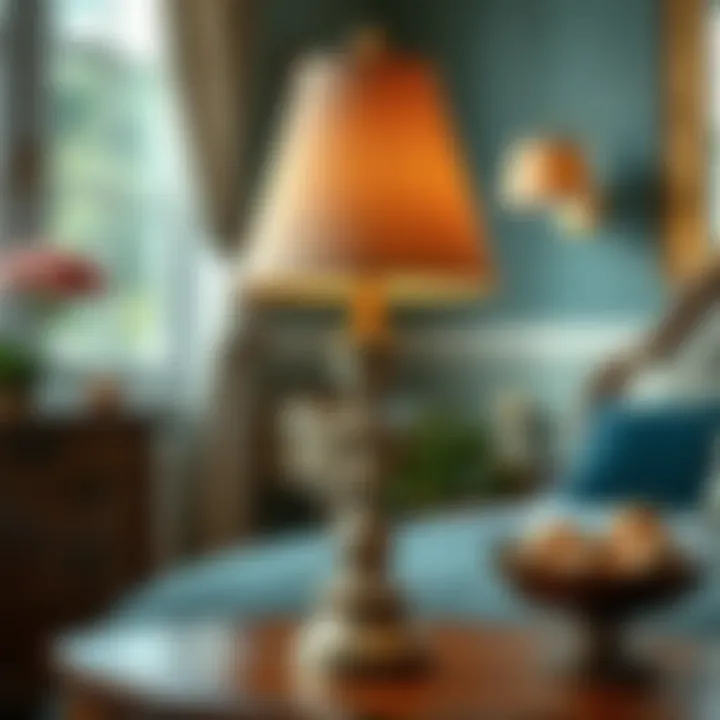
If you're leaning toward a more classic or traditional look, you'll want to explore lamps that echo timeless elegance. These lamps often come adorned with intricate details, like decorative bases, rich finishes, or elaborate shades. Traditional styles, such as ceramic or brass table lamps, can bring a warm, inviting feel to your bedroom.
- Considerations:
- Look for lamps with historical motifs or craftsmanship.
- Choose colors that are warm and inviting, like deep reds or earthy tones, which can evoke comfort.
- Ensure the lamp height fits well with your nightstand or surrounding furniture for a cohesive look.
For instance, a Tiffany-style lamp can add a sophisticated touch, with its stained glass shades reflecting light in vibrant colors—perfect for creating a cozy reading corner in your bedroom.
Eclectic and Bohemian Styles
As the name implies, eclectic designs thrive on variety, mixing patterns, colors, and textures. If you have a penchant for the unconventional, consider lamps that tell a story—perhaps with reclaimed materials or unconventional shapes. Eclectic bedroom lamps invite a sense of curiosity and can declare your unique personality in a bold way.
- Characteristics:
- Mixed materials such as wood, metal, and fabric that create visual interest.
- Bright colors and whimsical designs that add a playful element.
- Versatile sizes that can fit various spaces, whether it’s a cluttered desk or a streamlined nightstand.
One potential choice is a Mosaic lamp that spans various cultures and traditions. Such pieces can become conversation starters while casting colorful shadows across your walls, bringing life to your space.
"Lighting isn't just about illumination; it's about creating an atmosphere that resonates with your personal style."
In summary, choosing the right style of lamp for your bedroom goes beyond mere aesthetics. It enhances your overall vibe, showing off your taste while still serving functional purposes. Knowing what appeals to you can guide your selections, fostering a space of warmth and individuality, tailored to your lifestyle.
Material Choices for Bedroom Lamps
When selecting a bedroom lamp, the material plays a crucial role in defining both its aesthetic and functional qualities. The choice of material not only influences the lamp's overall appearance but also its durability, maintenance, and the quality of light it emits. In a space where calmness and relaxation are key, understanding the characteristics of various materials becomes essential for creating a harmonious environment.
Here are some considerations when exploring material choices for bedroom lamps:
- Durability: Different materials come with varied levels of resilience, impacting the lamp’s lifespan.
- Aesthetic Appeal: The right material can enhance or clash with your room's existing decor.
- Light Quality: Materials affect how light is diffused, influencing the ambiance.
- Maintenance Needs: Some materials require more upkeep than others to maintain their shine and condition.
Choosing the right material is fundamental to enhancing your bedroom's atmosphere, making it not just stylish but also functional.
Wooden Lamps: Warm and Inviting
Wooden lamps bring a natural feel into any bedroom, offering warmth that can transform the entire space. Their organic texture and earthy tones can serve as the perfect counterbalance to more modern decor, creating a sense of comfort. Various wood types, such as oak, pine, or walnut, contribute distinct visual characteristics. For example, light-colored woods like birch can lend a more Scandinavian aesthetic, while darker varieties can impart a touch of sophistication.
"Wood adds a classic touch that complements virtually any design style and creates a cozy atmosphere that’s hard to replicate."
Besides aesthetics, wooden lamps typically have durable structures that can withstand daily usage, making them a practical choice. They are also versatile enough to pair with different styles of lampshades, from vibrant fabrics to minimalist designs, enhancing their adaptability across various bedroom themes.
Metallic Finishes: Sleek and Contemporary
Metallic finishes are synonymous with modern elegance. Choices include brass, stainless steel, or chrome, each bringing a unique flair to your lighting choices. These materials can offer a striking contrast to wooden furniture, creating a juxtaposition that can be visually captivating. Metallic lamps reflect light beautifully, enhancing the brightness in the room while providing a certain glossy appeal.
When considering metallic lamps, think about how they can add a touch of contemporary sophistication to your bedroom. They pair well with modern designs and can effectively function as statement pieces, drawing attention without overwhelming the space. Moreover, the reflective surfaces can lend a feeling of increased openness, particularly in smaller rooms.
Glass and Crystal: Elegance and Sophistication
If you seek to create an air of sophistication, lamps made from glass or crystal might be just what you need. These materials are often associated with luxury and can elevate the decor to a new level. Glass lamps can range from clear to colored and can have intricate designs, making them a focal point in your room.
Crystal, on the other hand, is perfect for those who appreciate a bit of glamour. The way light refracts through crystal creates a dazzling effect, casting beautiful patterns around the room. This can be particularly striking in the evening, as ambient light dances off the surfaces.
However, keep in mind that glass and crystal require a bit more upkeep than their wooden and metallic counterparts. Dust and fingerprints can easily mar their beauty, so scheduled cleaning might be necessary to maintain their dazzling appearance. Regardless, the elegance they bring can be well worth the effort.
Functional Aspects of Bedroom Lamps
Lighting in a bedroom goes beyond mere illumination; it's about creating an atmosphere and serving very specific functions. The right lamp can set the mood, provide necessary light for reading, and complement the visual aesthetics of the room. Choosing functional lamps isn’t just a practical decision—it’s an integral part of interior design that can transform your space.
Adjustable and Flexible Designs
One of the most significant advantages of bedroom lamps is their versatility. Adjustable lamps, such as those with articulated arms or flexible necks, can be manipulated to meet different needs. For example, when you're snuggled up with a book, you want focused light without glaring brightness. But maybe you’ll also need a warm glow to wind down afterward. Adjustable lamps can cater to both needs, allowing you to direct light exactly where you need it. Having that flexibility can significantly enhance your comfort and functionality in the room.
Incorporating Smart Technology
Embracing smart technology can utterly revolutionize the way you interact with your bedroom lighting. Imagine being able to control your lamps via your smartphone or even voice commands through a smart assistant. Smart lamps can connect to your home's Wi-Fi network, allowing for easy adjustments to brightness and color based on your mood or time of day. This isn’t just a novel feature; it’s an essential upgrade for those looking to modernize their living spaces. Features such as scheduling can also help you create a preferable evening routine. Having that predictability in light not only aids relaxation but also improves sleep quality.
The Importance of Light Bulb Selection
LED vs. Incandescent
When it comes to light bulbs, the choice between LED and incandescent can define the quality of light in your bedroom. LED bulbs are becoming the gold standard. They last significantly longer—often up to twenty-five times the lifespan of incandescent bulbs. On the topic of energy efficiency, LEDs use less power and come in varied tones, from warm to cool light. This flexibility can help you achieve the right ambiance for any setting. Yet incandescent bulbs still hold their charm, with their warm glow often seen as more flattering for skin tones. While they are typically less efficient, their initial cost is lower, which can appeal to many homeowners.
Brightness and Color Temperature
The concepts of brightness and color temperature are vital when scaling your light needs. Measuring in lumens, brightness should be tailored to the activities you intend to do in your bedroom. A reading nook might require more lumens than a space meant for soft relaxation. Color temperature, measured in Kelvins, influences the warmth of the light. Lower Kelvins typically result in warm light, ideal for wind-down moments, whereas a higher Kelvin count can produce cooler light, beneficial for more activity-oriented tasks. Understanding how to balance these elements will allow you to cultivate a layered lighting environment that addresses both functional needs and personal style.
"Choosing the right lamp and light bulb can dictate not only visibility but also the emotional and psychological ambiance of your personal sanctuary."
In sum, the functionality of bedroom lamps cannot be underestimated. They can significantly affect comfort and aesthetic appeal. Understanding adjustable designs, embracing smart technologies, and selecting the right light bulbs, in terms of both type and temperature, will help you create a bedroom that’s not only visually stunning but also deeply personal.
Designing a Cohesive Look
Creating a cohesive look in your bedroom lighting is crucial. It goes beyond just picking out a light fixture that shines brightly; it’s about harmonizing the lamps with your entire decor scheme. Your bedroom is more than a place for sleep; it's your sanctuary. A well-thought-out design can create an atmosphere that is both inviting and reflective of your personal style.
One of the primary benefits of designing a cohesive look is that it helps to cultivate a sense of unity in your space. When all elements blend together, your eyes can move freely around the room without being disturbed by inconsistency. This unity can enhance the overall mood and aesthetic of the room, making it feel more polished and well-planned. To achieve this, consider your existing color scheme, furniture styles, and fabric textures.
Another important consideration is functionality paired with style. Lamps should serve a purpose – be it providing lighting for reading, or setting a restful atmosphere. If there's a mismatch between function and aesthetics, it can disrupt the vibe you’re aiming for. Therefore, choose lamps that complement the overall design while also fulfilling their practical roles.
Matching Lamps with Bedroom Decor
When matching lamps to bedroom decor, it’s all about finding what resonates with your style. Think about the overall design theme you’re going for – rustic, modern, or perhaps a mix of styles can all guide your choices. The texture and color of your lamp should complement not just the wall color but also the bedding, curtains, and furniture. For example, a sleek chrome lamp might clash in a cozy cottage aesthetic but thrive in a minimalist environment.
Also, consider the scale of the lamp in relation to other pieces in the room. A massive floor lamp might overwhelm a small bedside table, whereas a petite lamp can look lost next to a grand vanity. Balance is key.
Layering Light Sources
Layering light sources adds depth and dimension to your bedroom, enhancing both functionality and design. By using different types of lamps in strategic locations, you can create various atmospheres, whether for reading, relaxing, or cozy evenings.
Combining Floor Lamps and Table Lamps
Combining floor lamps with table lamps offers a unique way to add layers to your lighting. The floor lamp usually serves as a standout piece, drawing the eye up and illuminating corners that can often be left in shadows. Table lamps, on the other hand, provide more focused and accessible light for close tasks like reading or working. This combination brings a rich texture to your space, balancing visual interest with practical lighting.
Moreover, this combination allows you to harmonize different styles. You might use a more traditional table lamp on your nightstand while opting for a sleek, modern floor lamp in the corner – an eclectic blend that still feels intentional.
Advantages include increased versatility; you can adjust the lighting according to your needs, whether you're winding down for the evening or needing bright light for early day activities. However, if not planned correctly, it can lead to lighting that feels disjointed or overwhelming.
Utilizing Wall Sconces
Wall sconces represent another effective strategy for layering light sources. These fixtures free up valuable space on your nightstands, offering a clean and airy look. Wall-mounted lights can cast a soft glow for bedtime or provide direct task lighting for reading, depending on the bulb choice and design.
The beauty of wall sconces lies in their ability to be positioned strategically. For instance, placing sconces above bedside tables allows for easy reach without cluttering surfaces. Alternatively, they can highlight artworks or architectural features, drawing attention to details that might otherwise be overlooked.
While their main advantage is versatility, it’s important to ensure they fit harmoniously with existing decor. Mismatched styles can clash and detract from the carefully curated environment you aim to achieve. Despite this, well-chosen wall sconces can elevate your room, adding an elegant flair without sacrificing practical utility.
Affordable Alternatives to High-End Lamps
When it comes to bedroom lighting, high-end lamps tend to make a statement, but not everyone can or wants to splurge on these high-price items. This doesn't mean you have to compromise on style or functionality. Affordable alternatives to high-end lamps offer a chance to express your personal taste while keeping your budget intact. These alternatives not only allow for creative freedom but also encourage a conscious approach to spending. It's about enhancing your space without breaking the bank.
There is a growing trend toward finding unique, cost-effective solutions that deliver on design while being easy on the wallet. From DIY projects to scouting local thrift stores, there's a wealth of options available that don't sacrifice quality. The important thing is understanding your needs and how you can fulfill them without resorting to mass-produced, bland solutions.
DIY Lamp Projects for Personalization
Creating your own lamps can be a satisfying and fulfilling venture. DIY lamp projects allow you to put your personal stamp on your space. Not only do you get to save some cash, but you craft something uniquely yours. Imagine the satisfaction when visitors look at your bedroom and admire that one-of-a-kind lamp you created.
To start with, simple materials like old jars, wooden blocks, or even fabric scraps can be transformed into eye-catching lamps. For instance, consider using an empty wine bottle, which can easily be converted into a stunning lamp base with just a few modifications. Add a bulb socket, a stylish shade, and voila! You've got a conversation starter right in your own room.
Finding Budget-Friendly Options
When scouring for budget-friendly lamps, two main avenues present promising alternatives: thrift stores and online marketplaces. Each has its own flair and benefits, making them worth considering in your quest for the perfect piece.
Thrift Store Finds
Thrift stores are treasures of hidden gems waiting to be discovered. Often, these shops carry a unique inventory that includes vintage lamps rich with character. The beauty of thrift stores lies in their unpredictability; you never quite know what you'll find. This characteristic not only keeps the hunt exciting but also serves as an excellent way to find affordable lighting solutions that complement your bedroom’s style.
The upside? Prices are generally a fraction of what you'd pay for new items. However, keep in mind that the condition of the lamp may vary, requiring a little elbow grease for cleaning or even minor repairs. Yet this can add to the charm and satisfaction of your find.
Online Marketplaces
Online marketplaces present another convenient avenue for sourcing budget-friendly lamps. Websites such as eBay, Craigslist, or Facebook Marketplace are often bursting with affordable options. You'll find a range of styles right at your fingertips, all from the comfort of your home.
What makes online shopping appealing is the ability to compare prices, read reviews, and quickly identify what fits your aesthetic. Nonetheless, caution should be exercised; ensure you review seller ratings and product descriptions. Sometimes, what looks great in pictures might not translate well in real life, which can lead to disappointment.
Color Schemes and Lighting Effects
When it comes to creating the perfect bedroom atmosphere, color schemes and lighting effects play a pivotal role. Not only can they enhance the aesthetic appeal of a space, but they also influence mood and perception. The right light can turn a dull corner into a cozy reading nook or completely transform a larger area into a serene oasis. By carefully choosing colors for both lamp shades and the ambient light emitted, one can craft a visually stunning and functional sleeping area.
Selecting colors wisely can evoke different feelings; soft blues and greens are calming, while warmer tones tend to energize.
For instance, if you're aiming for a relaxing vibe, shades of lavender or sage can be ideal. On the other hand, if you're a night owl needing a bit more pep in your step, consider a vibrant orange or rich red to invigorate your space. But it's not just about color alone. The interplay between light and shadow can determine the overall effect.
Choosing the Right Lamp Shade Colors
The hue of a lamp shade is not merely a superficial quality; it carries significant weight in how a room feels and how well it blends with the decor. Selecting the appropriate shade color can help stabilize or amplify the overall theme of a bedroom.
- Neutral Tones: Shades like beige, gray, or white are often versatile, capable of complementing a myriad of design styles. These colors encourage a seamless blend, where the lamp becomes part of the existing fabric of the room.
- Bold Colors: If you want to make a statement, bold shades can serve as focal points, drawing the eye immediately. For example, a canary yellow lamp shade sitting against a muted backdrop can become the room's crown jewel.
- Patterned Shades: Textured or patterned lamp shades can introduce layering into a space. A floral print, for instance, might connect with bedding or curtains, thus weaving a sense of cohesion throughout.
When choosing lamp shade colors, don’t forget about their impact on light diffusion. Darker shades will absorb more light, creating a more intimate setting, while lighter shades can help disperse light broadly, enhancing visibility across the room.
Creating Ambiance with Color Temperature
Color temperature refers to the warmth or coolness of light emitted from a bulb, heavily influencing how a room is perceived. Understanding how to manipulate this can elevate your bedroom's ambiance to an entirely new level.
- Warm Light: Typically around 2700K to 3000K, warm light achieves a cozy, inviting feel. It's perfect for relaxation and unwinding at the end of the day. Ideal for bedside lamps, this type of lighting promotes a gentle glow that is easy on the eyes. For instance, consider soft white LED bulbs that mimic traditional incandescent lights.
- Cool Light: Measured from 4000K to 5000K, cool light offers a more lively, energizing effect. This kind of illumination is often suited for tasks like reading or working. A cool-toned lamp positioned on a desk can enhance focus and alertness.
- Dynamic Options: Smart bulbs often allow for adjustments in color temperature throughout the day. You can set your lamp to emit warm light in the morning and shift to a cooler tone during productivity hours.
Utilizing the correct color temperature not only sets the mood but can also impact your circadian rhythm. Warmer lights in the evening help signal to your body that it’s time to wind down, whereas cooler lights during the day keep your energy levels up.
"The color of light affects not just mood and decor, but also can influence your well-being. Consistently using the right temperatures will lead to a more balanced lifestyle."
In summary, color schemes and lighting effects are essential elements that can significantly enhance the functionality and style of bedroom spaces. By thoughtfully choosing lamp shade colors and leveraging the full spectrum of color temperatures, anyone can create an inviting, adaptable environment that feels just right.
The End: Choosing the Right Bedroom Lamp
Selecting the right lamp for your bedroom goes beyond mere aesthetics; it’s a cornerstone of creating a harmonious and functional space. The lamp you choose should seamlessly blend with your overall decor while addressing your specific lighting needs. It’s essential to consider how the lamp’s design resonates with your personal style, as well as its performance in regard to illumination and functionality.
Reflecting Personal Style
Your bedroom is that sacred haven where personal expression should shine through. When you reflect on your personal style, think about not just the colors or shapes you adore, but also the stories they may tell. A mid-century modern lamp may echo a fondness for sleek lines and minimalism, whereas a vintage floral option might resonate more with rustic charm. Beyond the lamp's surface, consider how its warmth or brightness fosters a feeling of comfort or energy in the room.
- Color and Material: Each lamp holds its own unique character based on its color scheme and material. Bold colors can energize the space, while soft hues might evoke calmness.
- Shape and Size: A hefty, sculptural lamp stands as a statement piece, while smaller, subtle designs can support the overall theme without stealing the spotlight.
Let’s not forget that the choice in lamp can be therapeutic. A lamp styled to your liking can encourage relaxation as you wind down for the evening or can invigorate your mornings with its functional elegance.
Balancing Function and Aesthetics
While style is crucial, functionality cannot be brushed aside. The perfect lamp does not merely sit pretty on your bedside table; it serves a purpose that enhances your lifestyle.
- Purpose: Determine how you plan to use the lighting. Reading in bed requires different brightness than setting a cozy vibe while winding down.
- Adjustability: Look for lamps that allow you to modify light direction and brightness levels. A flexible design can meet changing needs throughout the day.
- Energy Efficiency: Opt for energy-efficient bulbs to reduce your carbon footprint. Today’s LED options offer various settings and hues, ensuring your lighting remains stylish, yet eco-friendly.
In closing, choosing a bedroom lamp is a balancing act — one that should marry aesthetics with practicality. By reflecting your style in the lamp choice and ensuring it fits your needs, you can enhance not just the decor but the essence of your bedroom space.
"The right lamp is like a good friend; it shines light on your path, brightens your mood, and makes every moment spent in your sanctuary all the more special."
Practically speaking, when you wander about your options, pay attention to the details and envision how they can coalesce into your daily experience. Whether through a new find at a thrift store or commissioning a bespoke design, every choice holds potential to transform your space dramatically.