
Guide to Buying Second Hand Dining Tables
Intro
In the ever-evolving realm of interior design, dining tables hold a unique position. They are not merely pieces of furniture; they represent the heart of the home. As social hub, it’s where families gather for meals, friends celebrate milestones, and countless conversations unfold over shared food. Therefore, choosing the right table can profoundly influence the ambiance of a dining space.
For those turned off by the inflated prices of new furniture, second-hand dining tables emerge as a compelling alternative. Not only do they offer significant cost savings, but they often bring with them a story—the fingerprints of past lives lived around them. This guide dives into the multifaceted world of acquiring second-hand dining tables, exploring everything from sourcing these treasures to maintaining them for years to come.
The subsequent sections delve into the current trends in furniture styles, effective purchasing strategies, and maintenance tips that ensure longevity and beauty in every piece. Sellers range from local thrift shops to online marketplaces, each providing a rich tapestry of options. By prioritizing condition and assessing value, savvy buyers can transform their dining areas without breaking the bank.
As we lace our journey through considerations and possibilities, one must keep in mind the importance of personal taste and practicality. Whether opting for the vintage allure of a rustic farmhouse table or the sleek lines of modern minimalism, being informed will lead to satisfying purchases that breathe life into dining experiences.
Let’s dig deeper into:
Furniture Trends and Styles
Current Trends in Furniture Design
The wave of sustainable living has impacted furniture buying habits significantly. More individuals are seeking eco-friendly options, and as a result, reclaimed wood and vintage pieces are becoming increasingly popular. Utilizing materials that are both sustainable and stylish allows homeowners to make conscious purchasing decisions while still achieving aesthetic appeal. Influencers and designers have been espousing the significance of layered textures in dining spaces, advocating for tables with mixed materials, like metal and wood.
Popular Furniture Styles and Their Characteristics
Choosing the correct style often feels like navigating a maze. It’s essential to understand what’s out there:
- Mid-Century Modern: Characterized by clean lines and organic shapes, it often incorporates bold colors. This timeless trend has garnered attention for its functionality and aesthetic versatility.
- Industrial: Raw, unfinished wood and metal combine in this style, giving an edginess to dining areas. It’s commonly found in urban lofts, making pieces functional yet stylish.
- Farmhouse: The charm of farmhouse tables evokes feelings of warmth and accessibility. Usually built from reclaimed wood, these tables are designed to welcome large gatherings, encouraging connection.
- Scandinavian: This design emphasizes simplicity and functionality, often featuring light woods and minimalistic lines, perfect for smaller spaces.
Understanding these styles can guide buyers to select a table that not only fits their preferences but also harmonizes with the overall theme of their dining area.
By aligning the table’s aesthetic with current trends, individuals can express taste while ensuring durability and longevity in their choice. Having a well-rounded understanding of these categories sets the stage for meaningful discussions about the buying process and care for second-hand furniture.
Understanding Second Hand Dining Tables
When it comes to furnishing a home, finding the perfect dining table often takes center stage. This is not just a piece of furniture; it represents a space for gatherings, meals, and conversations. Understanding second hand dining tables is paramount for homeowners and enthusiasts alike. The allure of these pieces extends beyond mere aesthetics. Individuals who opt for second hand tables often find themselves tapping into a realm rich with history, character, and unique charm.
Definition and Benefits
Second hand dining tables refer to tables that have had previous owners before making their way to your dining area. The definition might seem simple, but the layers of benefit are extensive. Investing in second hand dining tables can often lead to significant savings compared to buying new, as these tables can be acquired at a fraction of retail prices.
- Affordability: Many buyers discover that gently used tables can save anywhere from 30% to 70% off retail prices.
- Uniqueness: Unlike mass-produced designs, second hand options often come with a distinct history, allowing you to own something that talks about its journey.
- Craftsmanship: Many older tables are made with quality materials, often superior to what’s found in modern manufacturing.
In addition to the financial and aesthetic benefits, choosing second hand tables provides the opportunity to engage with a story. There’s something intriguing about a table that has hosted countless meals and conversations, each marking the chapters of life.
Environmental Impact
The environmental implications of purchasing second hand items, including dining tables, cannot be overstated. Every time a person opts for a used table instead of a new one, they contribute to reducing waste and resource consumption.
A few points to consider include:
- Waste Reduction: Buying second hand items helps keep furniture out of landfills, where they take years to decompose.
- Resource Conservation: New furniture production involves cutting down trees, using metals, and consuming energy. By choosing second hand, you help diminish this demand.
- Lower Carbon Footprint: The transportation of new furniture generally contributes to greenhouse gas emissions. By choosing local second hand tables, transport distances are frequently shorter, diminishing the carbon footprint.
In essence, selecting a second hand dining table is not just a personal choice; it's a statement about valuing sustainability and reducing one's ecological footprint. Opting for a used table extends its life and impacts the environment positively.
In summary, understanding second hand dining tables is about recognizing their dual role in personal space and the larger ecosystem. As you venture into the process of selecting a dining table, consider not only your immediate needs but also the broader implications of your choices.
Identifying Your Needs
Identifying your needs when seeking a second hand dining table is crucial to ensuring you make a satisfactory purchase. Take a step back and consider your lifestyle, preferences, and the existing layout of your dining area. Having a clear grasp of what you require can save you both time and money, and it may even steer you away from potential buyer's remorse.
The process revolves around two main elements: measuring space and choosing the right style. Knowing both will significantly affect the overall satisfaction you derive from your purchase. Let’s explore these points in detail, as they will be instrumental in making an informed choice.
Measuring Space
When it comes to purchasing a dining table, size matters. It's not just a question of fitting the table inside your room; it’s about creating a comfortable and functional dining space. First, grab a tape measure and take note of the dimensions of your dining area. This includes the length, width, and even the height from the floor to the ceiling, if necessary.
You should also account for surrounding furniture and flow of movement. For instance, consider:
- Distance from Walls: Maintain at least 36 inches of clearance around the table for easy movement.
- Overlap with Other Furniture: If you have chairs, consider how they will fit around the table and if they can be pushed in without bumping into other pieces.
- Table Shape: Round tables are great for smaller spaces or for adding flexibility, while rectangular tables typically work better in longer rooms.
These measurements will guide you in finding a table size that feels right without making your room feel cramped. You want to ensure that your dining experience is one of comfort and ease.
Choosing the Right Style

Once you have determined the right dimensions for your dining space, it’s time to turn your focus toward style. The aesthetic of your dining table should complement the existing design elements in your home. This includes the furniture design, color schemes, and overall decor style.
Consider styles like:
- Traditional: A classic choice with ornate detailing and rich wood tones; perfect for a more formal setting.
- Modern: Characterized by clean lines and minimalist designs; usually made from metals or simple woods, which can bring a fresh vibe to your dining room.
- Rustic: Aimed at bringing the charm of countryside living into your home; often associated with reclaimed wood or distressed finishes, it can add warmth and character.
Identifying a style that resonates with you goes beyond just looks; it's about creating a space where you feel at ease and can enjoy meals with family and friends.
In summary, measuring your space and choosing the right style are foundational steps in the quest for a second hand dining table. These steps ensure that your table aligns with your functional needs and aesthetic desires, paving the way for a fulfilling dining experience.
"The table is a place where connections are made, and memories are forged. Choose wisely."
By paying attention to these elements, you'll improve your chances of finding a table that not only fits but also becomes a centerpiece of your home.
Where to Find Second Hand Dining Tables
In the quest for the perfect second-hand dining table, knowing where to look can save time, money, and heartache. This section will explore various avenues for sourcing these often-unique, character-filled pieces. The find is just as important as the table itself, and each possible avenue carries its own set of rewards. By understanding where to search, you can maximize your chances of uncovering a dining table that fits both your style and budget.
Local Furniture Stores
Shopping in local furniture stores can sometimes feel like searching for a needle in a haystack. However, many charming, family-run shops often sell pre-loved pieces, especially as inventory rotates frequently. Some of these stores might not even advertise their second-hand goods; they rely on foot traffic and word of mouth. Here, you can find tables with history—each scratch, stain, and imperfection tells a story.
- Personal Interaction: You'll have the chance to speak directly with the owners or staff. They might offer insights about the piece’s history and help you track down similar items.
- Local Flavors: These shops often carry items with unique styles that reflect local culture, which can be a conversation starter in your home.
It’s also worthwhile to keep an eye out for clearance sales or special events where discounts abound. The beauty of local shops lies in unexpected finds; you might just walk away with a treasure that you didn’t know you were looking for.
Online Marketplaces
Online platforms have transformed how we acquire second-hand furniture. Websites like eBay, Facebook Marketplace, and Craigslist allow users to filter by geographical area. This means you can snag a great table without lugging it across the country. However, the digital realm comes with its own considerations:
- Search Filters: By typing in specific keywords and using filters, you can quickly home in on the type of table you want. Just be sure to save your searches and check back regularly. People are continuously adding new listings.
- Direct Communication: Messages can be sent directly to sellers, allowing for negotiations on price or inquiries about the table’s condition.
- Large Selection: The sheer number of listings affords a wider variety of styles, materials, and price points than your local shop might provide.
While the online marketplace is convenient, always be cautious. Meet in public places when possible and ensure that you see the table before committing to your purchase. It’s a small investment of time for peace of mind.
Thrift Shops and Consignment Stores
Visiting thrift shops can be akin to going on a treasure hunt. Here, tables may range from exceptionally worn to nearly brand new, each with potential for restoration. Consignment stores also often showcase unique items that the original owners have let go, giving you a chance to find something special. Consider the following:
- Sustainable Living: By purchasing from thrift stores, you're supporting sustainability and reducing waste. It aligns with a growing movement toward more conscious consumption.
- Low Prices: Often, thrift shops offer better price points than traditional furniture stores. You can frequently find good quality tables without needing to break the bank.
- Unique Styles: Here, you're more likely to encounter unusual designs that you won’t find in mainstream retailers. This could introduce a quirky charm to your dining space.
As with local stores, investing some time into regular visits can pay off. Inventory often changes, and a weekly stop might lead to an unforeseen gem.
The hunt for a perfect second hand dining table may take some time, but it often yields pieces that not only fit your home but also hold unique stories and character.
These three avenues provide just a glimpse into the diverse world of second-hand dining tables. Whether browsing in a cozy local shop, scrolling through an online marketplace, or exploring a thrift store, each option offers a variety of possibilities to unearth just the right table for your home.
Evaluating Quality and Condition
When it comes to selecting second hand dining tables, evaluating quality and condition is crucial. It’s the backbone of your buying journey. After all, a dining table serves as the heart of your home, where meals, discussions, and memories unfold. Knowing what to look for helps ensure that your investment is sound and that you’re bringing home a piece that will last you for years to come.
Inspecting Structural Integrity
The first order of business is to assess the structural integrity of the table. This means checking if the table is sturdy and built to last. You don’t want a table that wobbles like a newborn deer on uneven legs. Run your hands across the joints and corners. Do they feel solid? Check the screws and fasteners; they shouldn’t be loose or rusted. A simple test is to apply a bit of weight on one side—does it hold up without tipping over?
Some key factors to consider include:
- Leg Stability: Make sure all legs are even and intact. You can even bring a level if you want to be precise.
- Top Surface: If it’s a drop-leaf or extendable table, check the hinges and locking mechanisms. They should function smoothly without requiring excessive force.
- Material Quality: Different woods react differently to wear and age. Hardwoods like oak or maple generally stand the test of time better than softer woods.
- Unseen Issues: Sometimes, structural problems hide beneath paint or veneer. If possible, inspect areas where wood meets wood, as these are common spots for hidden damage or weakness.
Assessing Surface Damage
Next, turn your attention to the surface of the dining table. A few scratches and dents here and there can be expected, especially in second hand pieces. However, excessive damage may not be worth the hassle and costs that come with repairs.
Here’s what you should keep an eye out for:
- Scratches and Dents: Minor scratches can often be buffed out with the right products, while deep gouges might require sanding or refinishing, which can be messy and time-consuming.
- Stains: Consider the material of the table surface. Wood can often be refinished, but laminate or glass may be much harder to remedy. If you see stubborn stains, ask about the cleaning methods used—some can seep into the surface, causing permanent damage.
- Finish Wear: Look for areas where the finish might be peeling or faded. This could mean it's best to refinish the surface, adding extra cost to your table.
- Watermarks: These little devils can often signal deeper issues. Test a small area with a damp cloth to gauge how it reacts. Excessive damage could lead to a more substantial restoration project.
Evaluating quality and condition can seem daunting, but it doesn’t have to be. Taking your time with these assessments will not only help you dodge disappointment down the line but also give you the satisfaction of scoring a solid piece that complements your home beautifully.
Remember, the best second hand dining tables tell a story. Ensure that story includes longevity and value.
Negotiation Techniques
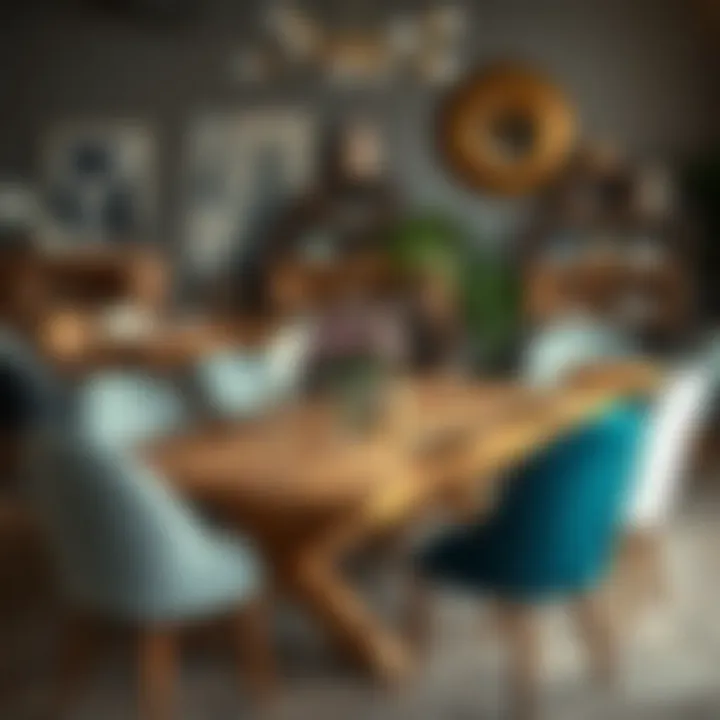
When it comes to acquiring second hand dining tables, understanding negotiation techniques can be a game changer. It’s not just about getting the best price; it’s about establishing a rapport with the seller and feeling confident in the transaction. Effective negotiation can save you a pretty penny, making your experience both economical and enjoyable. Here are some crafting strategies to keep in mind.
Researching Market Prices
Before even stepping foot in a store or hitting a website, doing your homework is crucial. Compare prices of similar second hand dining tables. Online marketplaces like eBay or Facebook Marketplace can give you a gauge of what’s reasonable. This approach allows you to spot overpricing and makes you a more informed buyer.
- Check local online classified ads to see what similar tables are fetching in your area.
- Utilize price comparison websites or apps to streamline your search.
- Don’t forget about forums or communities, like those on Reddit, where enthusiasts might share valuable insights and let you know what certain styles are worth.
By comparing prices across a spectrum of sources—both online and off—you arm yourself with the kind of information that makes negotiating feel less like a gamble and more like a finely tuned skill.
Making Reasonable Offers
Offering an amount lower than what the seller is asking can feel daunting, but it doesn’t have to be. The art lies in being reasonable and respectful. Here are some pointers:
- First Impression Counts: Present your offer calmly. A split-second emotional explosion could sour the conversation.
- Justify Your Offer: Providing a rationale helps. Perhaps you found similar pieces listed for less, or you noticed a minor scratch you plan to fix. This way, you're not just throwing numbers around.
- Be Prepared to Walk Away: Sometimes, the best negotiation tactic is a walk. If the seller senses that you’re not desperate, they might reconsider your offer.
In summary, the process of negotiation doesn't just focus on saving money; it's about being shrewd yet polite, ensuring that both parties feel satisfied when the transaction is made. This approach opens doors—not just to good furniture deals but also to future buys from sellers who appreciate a respectful and informed buyer.
"Negotiation is not about winning or losing. It's about reaching an agreement that is beneficial for all parties involved."
By honing these techniques, you empower yourself to navigate the world of second hand dining tables with confidence, ensuring that you make a savvy selection for your space.
Popular Styles of Second Hand Dining Tables
When searching for second hand dining tables, understanding various styles is essential. Each style carries its own history, aesthetic appeal, and functional qualities that can suit different tastes and spaces. Whether you're seeking to create a cozy nook or an opulent dining area, the style of your table can lay the foundation for your entire dining ambiance. Knowing these styles not only enhances your selection process, but also helps you envision how a particular piece will integrate into your home.
Traditional and Vintage
Traditional dining tables often embody craftsmanship and attention to detail. These tables tend to feature ornate carvings, rich finishes, and classic materials like solid oak or mahogany. A traditional piece serves as a testament to timeless elegance, often evoking a sense of nostalgia. Vintage tables from various decades can inject personality into your space, often reflecting the design trends of their time.
When looking at traditional and vintage styles:
- Characteristics of Traditional Tables: Look for elements like turned legs, detailed inlays, and deep, warm finishes. These features can elevate the style of any dining room.
- Benefits of Vintage Finds: Vintage pieces often carry stories and uniqueness that new tables lack. Each scratch or imperfection can add to the charm, telling a story of yesteryears.
"A table isn't just a piece of furniture; it's the heart of the home where memories are made."
Modern and Contemporary
Modern and contemporary dining tables resonate with clean lines, minimalist designs, and innovative materials. Often made using materials like glass, metal, or engineered wood, these tables fit well into spaces that prioritize a sleek and uncomplicated aesthetic. Modern designs tend to offer versatility, adapting well to both informal and formal settings.
Points to consider with modern and contemporary styles include:
- Design Elements: Look for geometric shapes, bold colors, and innovative forms. Tables may feature a combination of materials and textures that create a striking visual contrast.
- Functionality: Many modern tables are designed for practicality. Consider extendable options or those with integrated storage that can cater to various needs while maintaining an elegant appearance.
Rustic and Farmhouse
The rustic and farmhouse styles embrace simplicity and warmth, drawing on natural aesthetics. These tables often incorporate rough-hewn wood, distressed finishes, and sturdy construction. Ideal for creating a cozy, inviting atmosphere, rustic tables often evoke a sense of connection to nature and tradition.
When evaluating rustic and farmhouse options, keep in mind:
- Materials: Popular choices include reclaimed wood, pine, and cedar. The unique characteristics of these materials can enrich the table's visual impact.
- Customization: Rustic styles lend themselves well to personalization. Table tops can be left raw or treated with stains, and legs can be styled in a variety of ways. This adaptability allows for creativity in design.
Emphasizing these styles can enhance your understanding of the second hand dining table market. Each style not only reflects personal taste but also influences the overall character of your dining space. So, whether you lean towards a timeless vintage piece or a sleek modern creation, there’s a second hand dining table out there that can fit your vision.
Material Considerations
Choosing the right material for your second-hand dining table can make a world of difference in both functionality and aesthetics. Different materials not only contribute to the overall appearance but also affect durability, weight, and care. Understanding these elements will guide you in making a sound investment that suits your home and style.
Wood Types
When it comes to second-hand dining tables, wood remains a favorite choice due to its timeless appeal and longevity. Different wood types have unique characteristics that lend their own flavor to your dining experience.
Hardwoods like oak, maple, and cherry are often preferred for their durability and resistance to scratching. Oak tables, for instance, can last a lifetime if properly cared for—their fine grain and rich hues may transform over time, adding character rather than diminishing value. On the other hand, softwoods such as pine and cedar can bring a light, rustic feel but may require more careful handling to avoid dents and scratches due to their less resilient nature.
When inspecting a wooden table, consider the following:
- Grain patterns: A well-defined grain indicates quality.
- Finish: Look for signs of wear in the finish, assessing whether a simple polish can restore its luster or if refinishing is necessary.
- Structural integrity: Gently wiggle the legs to check for wobbling.
"A solid wood table can become a family heirloom, echoing cherished memories in every scratch."
Many folks also appreciate the beauty of reclaimed wood tables. These tables often tell a story through their weathered surface and can serve as a conversation starter. Nevertheless, check for chemical treatments that might have been applied in previous uses, as these can sometimes raise concerns regarding safety.
Metal and Glass Compositions
Metal and glass dining tables are increasingly popular for those who enjoy a contemporary vibe. The simple elegance of a glass tabletop paired with metal legs offers a sleek look that can make a small space feel larger. However, they come with unique care considerations.
Glass is often tempered for safety, which makes it resistant to shattering. However, the thickness of the glass matters; thicker glass offers better durability while thinner options can be more prone to chips.
When evaluating metal tables, be aware of their material type:
- Stainless Steel is favored for its resistance to rust and corrosion. Its polished surface brings a modern twist to traditional dining areas.
- Wrought Iron gives a classic touch, though its heavier weight should be factored in when considering movement or repositioning.
While these materials are relatively easy to clean, they do require different methods of maintenance compared to woods. Glass surfaces are prone to fingerprints and need regular cleaning with glass cleaner to maintain transparency, while metal surfaces might require occasional polishing to fend off oxidation or dullness.
In sum, selecting the right materials for your second-hand dining table is paramount in creating a harmonious and functional dining area. Knowing the properties of wood, metal, and glass will empower you to make a choice that not only meets aesthetic preferences but also stands the test of time. It’s this thoughtful consideration that turns a simple dining table into the heart of the home.
Maintenance and Care Tips
Taking proper care of your second hand dining table is crucial for ensuring it not only remains functional but also retains its aesthetic appeal over time. With a well-maintained piece, you’ll be able to enjoy your dining experiences without worrying about the wear and tear that can come with regular use. Not only does maintenance prolong the life of your table, it also keeps it looking fresh, which is essential if you value both functionality and style in your home.
Cleaning Techniques
When it comes to cleaning your dining table, there are several techniques that can help avoid damage while also ensuring that it stays tidy.
- Use a Soft Cloth: For day-to-day cleaning, a microfiber cloth works wonders for dusting without scratching the surface.
- Mild Detergents: If you encounter stubborn stains, opt for a solution made of warm water and a mild soap. Avoid harsh chemicals that can strip the finish.
- Spot Testing: Whether it's a new cleaner or even natural solutions like vinegar, always test on a small, hidden area first. This prevents unexpected reactions that might ruin the appearance.
- Regular Upkeep: Make it a habit to wipe spills instantly. When food or drink is left to sit, it can mar the finish, leading to more extensive damage.
Keeping your table clean doesn’t have to be a daunting task. A periodic dusting coupled with a thorough cleaning every few weeks will go a long way in preserving its charm. Remember, a little attention now saves you from big headaches later.
"A stitch in time saves nine."
Protecting Surfaces
Once your table is clean, the next step is protecting its surface from scratches, dents, and stains.
- Tablecloths and Runners: Consider using a tablecloth or a decorative runner to shield against scratches and heat damage when serving hot dishes. It creates an additional layer of security while adding a personal touch to your dining aesthetic.
- Coasters and Placemats: Always place coasters under beverages and utilize placemats when serving meals. This will not only keep the table surface intact but also create a visually appealing setup for your diners.
- Avoid Direct Sunlight: Position your table away from direct sunlight or cover it with sheer curtains when not in use. Prolonged exposure can fade the colors and weaken the wood.
- Routine Care: Regularly check for any signs of wear or looseness in joints. Catching these issues early can prevent major repairs down the line.
By implementing these simple maintenance habits, you can greatly extend the life and look of your second hand dining table. It’s about preserving the elegance and functionality of your piece, while also reflecting your personal style and care for your living space.
If you delve into these cleaning and protection techniques, you’ll ensure that your dining table remains a centerpiece for gatherings for many years to come.
Designing Around Your Dining Table
Designing around your dining table is not merely a task of aesthetic arrangement; it involves creating an environment that enhances the functionality and overall experience of dining. A well-chosen table can serve as the centerpiece of your dining area, but it is how you design the surroundings that truly brings the space to life. Several factors play into this, such as the style of the table, the size of the room, and the needs of the people who use the space.
Choosing Complementary Furniture
When it comes to choosing complementary furniture, it’s akin to matching a fine wine with just the right dish. The pieces surrounding your dining table should support its design while providing functional benefits.
- Chair Selection: Diners should feel comfortable and supported. Choosing chairs that are not only visually appealing but also comfortable for long meals is essential. Sometimes you may need a mix of styles—modern chairs with a vintage table can create a striking contrast.
- Buffets and Sideboards: Adding a sideboard or buffet can offer storage for dinnerware and serve as an additional serving space. Consider materials and finishes that echo your dining table without overpowering it.
- Lighting Considerations: Lighting can significantly affect the ambiance. Pendant lights hung directly over the table can create a focal point. Ensure those lights complement the table’s height and style, establishing a warm and inviting atmosphere.
An important point to remember is that all these elements should be functional as well as visually cohesive. When they come together in a harmonious design, they enhance not just the space but the experience of dining as well.
Creating a Cohesive Aesthetic
Creating a cohesive aesthetic is more of an art than a science. It involves careful consideration of color, materials, and design elements that weave together to form a unified narrative within your dining space.
- Color Schemes: Select a color palette that complements the table and resonates with your personal taste. Soft neutrals may evoke tranquility, while bold colors can add vibrancy.
- Material Coordination: Consistency in materials can elevate the overall look. If your dining table is made of reclaimed wood, look for other furniture pieces or decor elements that carry similar textures or hues. For example, mixing metal accents from the table with metal light fixtures can effectively tie the room together.
- Decor Touches: Accessories like table runners, centerpieces, and artwork on the walls can enhance the space. Simple elements such as flower arrangements or candles can bring a personal touch that resonates with the overall theme.
A cohesive aesthetic doesn’t mean everything must match; it's about balance and rhythm in the room's design.
Finale
When it comes to acquiring second hand dining tables, one can’t overlook the importance of reflection and informed decision-making. This guide has walked you through various facets, from sourcing your table to assessing its condition and negotiating price. The value found in second hand pieces often surpasses mere aesthetics; it's a treasure trove of stories and craftsmanship, waiting to be reinvigorated in your home.
Recap of Key Considerations
Before you take the plunge, let’s summarize some key aspects you've navigated:
- Define Your Needs: What size fits your space, and which styles resonate with your personal taste?
- Quality Inspection: Ensure sturdy construction and minimal wear to avoid pitfalls later.
- Research Market Trends: Understand what similar tables cost to equip yourself for negotiations.
- Sources to Explore: Don't limit yourself just to thrift stores; online marketplaces hold hidden gems if you know where to look.
- Care and Maintenance: Once you’ve brought your new table home, how will you preserve its beauty and functionality?
Ultimately, weighing these considerations properly will help make well-informed, satisfying choices that enhance your dining area, giving it a touch of personality and charm.
Encouragement to Explore Options
Don’t hesitate to venture out there and begin exploring your options. The realm of second hand dining tables is expansive, filled with unique finds that the mainstream market may overlook. These tables often hold a character that contemporary pieces lack, offering an enriching narrative that adds depth to your dining experience.
Take the time to browse through different styles and materials; you never know what might catch your eye or inspire a new design direction. Remember, embracing second hand doesn't solely contribute to your home aesthetic but plays a vital role in sustainable living practices.
So, put on your detective hat, immerse yourself in the search, and enjoy the journey. After all, the perfect dining table is out there, just waiting to be discovered, offering warmth and utility for years to come.